Ansarollah Website Official Report
Published: Rabiʻ II 19, 1447 AH
When memory stirs the passage of time, the past becomes present—felt by the eyes and heard by the heart. The seventh of October 2023 remains one of those moments when balances shifted, calculations changed, and every question became sharper. Two years have passed—two years in which realities have been tested from every angle, their dimensions measured across the military, humanitarian, political, and moral. This report seeks to gather the fragments of that story and reconstruct its narrative in the light of what has since been revealed—secrets exposed and consequences that still inhabit memory.
Two Years On: The Echo of That Morning Persists
Two years of war and devastation, of steadfastness and miracles, of negotiations conducted from a position of strength—not supplication. And then came the moment when the enemy admitted what it long sought to deny: there is no path to the release of its captives except through negotiation with the resistance, and no end to the battle except through full withdrawal.
The Myth of Power Collapses
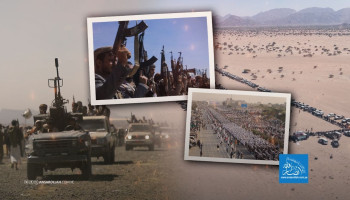
The Israeli enemy was unprepared for the shock. Its confusion was itself part of the resistance’s victory. In the early hours of the Al-Aqsa Flood operation, several settlements in the so-called “Gaza Envelope” fell, hundreds were captured—including officers and field commanders—and chaos spread throughout the Israeli entity. Thus began the real defeat.
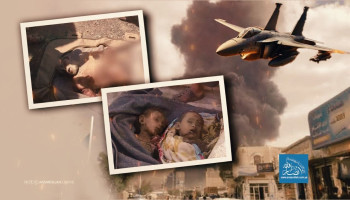
Seeking to reclaim its lost prestige, the Zionist entity launched one of the most brutal assaults known to humanity—targeting everything living, from trees to humans, from mosques to nurseries, from homes to hospitals. Yet despite it all, it failed.
It failed to retrieve its captives.
It failed to penetrate the resistance’s defenses.
It failed to present even an image of victory to its own public.
And worse still, after two years of blood and massacres, it was forced to accept what it had previously rejected: to sit with the resistance and negotiate on its terms.
The Resistance Sets the Terms
The negotiations held by the Palestinian resistance in Sharm El-Sheikh, Egypt, were both a diplomatic event and a declaration of Palestinian willpower’s triumph. The resistance negotiated from the higher ground, wielding the power of its position—chief among its cards, the captives.
On Wednesday, a phased agreement was announced. The deal stipulates that no Zionist soldier will be released except within a comprehensive prisoner-exchange framework. The agreement ends the war, enforces a full withdrawal of Israeli forces from Gaza, opens border crossings, and allows aid entry. Importantly, it makes no mention—direct or indirect—of disarming the resistance or accepting any Israeli preconditions.
Dr. Khalil Al-Hayya, head of Hamas in Gaza and chief negotiator, announced the agreement to end the war and aggression against the Palestinian people, begin a permanent ceasefire, ensure Israeli withdrawal, reopen the Rafah crossing in both directions, and facilitate aid entry. He confirmed that the deal includes the release of 250 life-sentenced prisoners and 1,700 detainees from Gaza arrested after October 7, along with all children and women prisoners.
Al-Hayya added that the movement received guarantees from mediators and the U.S. administration confirming the war’s complete end. He emphasized that Hamas would continue working with national and Islamic forces to complete the remaining steps, pursue Palestinian self-determination, and secure the people’s legitimate rights until the establishment of an independent state with al-Aqsa as its capital.
He also extended greetings to those who stood with the Palestinian people and shared their struggle and blood—from Yemen, Lebanon, Iraq, and the Islamic Republic of Iran.
Hamas official Osama Hamdan stated that the agreement represents a complete cessation of the war on Gaza and that no prisoner exchange will occur except within this framework. He stressed that the core of the agreement is halting the aggression and affirmed that mediators provided guarantees ensuring the Israeli entity will not breach the terms.
Regarding Gaza’s administration, Hamdan declared it a purely national matter, rejecting any external interference: “Whoever wishes to help our people must do so away from any scenarios of mandate or trusteeship.” He explained that the resistance factions submitted a proposal with 40 names for Gaza’s administration, insisting it must be composed of independent Palestinian national figures without any “Israeli” involvement.
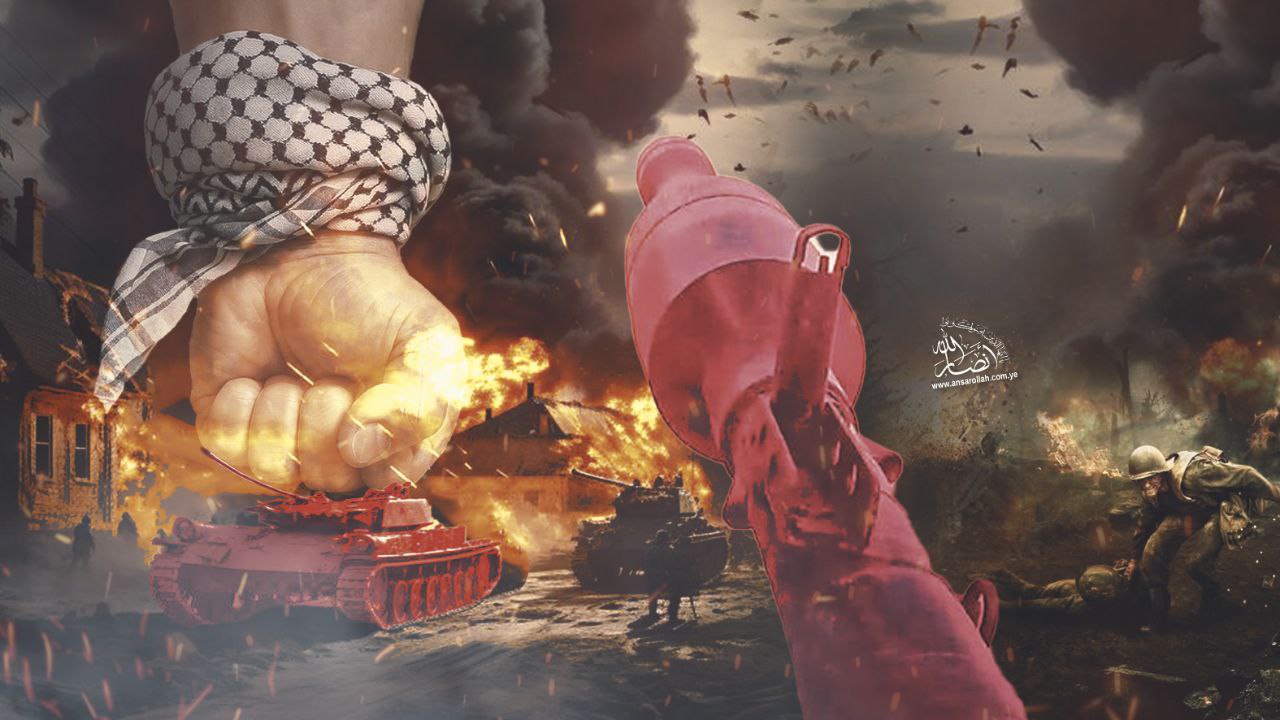
The resistance, he said, has proven that the Zionist entity is hollow within—corroded in structure and wavering in morals. Tens of thousands of its soldiers have been killed or wounded, hundreds of its tanks and vehicles destroyed, and its officers captured, fled, or fell before fighters armed only with faith and courage.
No Favors from the Enemy or Mediators: The Agreement Is the Fruit of Palestinian Steadfastness
Palestinian resistance factions affirmed that the agreement is the fruit of the people’s endurance, not a favor granted by anyone.
The Islamic Jihad Movement emphasized that the ceasefire and prisoner-exchange deal was no gift from others. “While we acknowledge Arab and international efforts,” it said, “we stress the immense sacrifices of our people and the unprecedented courage of our fighters, without which resistance could not have stood strong at the negotiating table.” The movement added: “Our people will never forget the martyrs whose sacrifices enabled the resistance to endure and reach this decisive moment, forcing the enemy to end its aggression.”
The Palestinian Scholars Association affirmed that the deal was no charity from the occupier or mediators, but the result of the people’s steadfastness, political unity, and sacrifice. The agreement, it said, does not mark the end of the struggle but the beginning of a new phase of responsibility. The resistance, it emphasized, has not compromised its principles or arms, and has proven itself a faithful guardian of its people’s cause.
Izzat Al-Risheq, a Hamas Political Bureau member, stated that the ceasefire agreement represents a national achievement embodying Palestinian unity and commitment to resistance. He noted that what the Zionist enemy failed to achieve through two years of extermination and starvation, it could not gain through negotiation. The ceasefire, he said, is a direct result of Gaza’s sacrifices and steadfast resistance.
The Palestinian Resistance Committees confirmed that the agreement was the result of the people’s legendary endurance through two years of war. Their unified stance and rejection of extermination or surrender foiled all Israeli schemes.
The Enemy Negotiates in Pain
Inside the Zionst entity, reactions reflected the depth of defeat. Many voices rose in anger, accusing the government of betrayal, capitulation, and abandoning the war’s declared goals. Zionist analysts admitted that “Hamas has achieved a political and moral victory and regained the initiative.”
Those who once vowed to crush the resistance now negotiate with it. Those who promised to eliminate Al-Qassam Brigades now deal with its leaders through mediators. Those who threatened to “send Gaza back to the Stone Age” now scramble for a way to save face. Such is politics when forced to bow before willpower.
At the heart of this epic stands the Palestinian people themselves—the true heroes. Fighters in the field and millions enduring bombardment, siege, and loss of loved ones, yet holding to Palestine more firmly than ever. The massacres only strengthened their resolve; displacement only awakened the spirit of return. From Al-Quds to the West Bank, from refugee camps to world capitals, Palestine rose again—a living cause, a resonant voice, and a conscience that does not fade.
The Sorting of the Nation and the Fall of Masks
Palestinian endurance not only exposed the enemy’s weakness but also unmasked the hypocrisy of those who normalized relations and the treachery of collaborators. A line was drawn between a nation that believes and one that bargains; between the free who tied their destiny to Al-Quds and the servile who sold theirs in the markets of cheap politics. Positions were exposed like never before—no more gray neutrality in a battle so clearly between right and wrong. Those who stood with the resistance have written their names in the register of the immortal; those who sided with the occupier are bound to shame and betrayal.
Meanwhile, the world looked on—either powerless or complicit. The United Nations, the Security Council, and all institutions of so-called “international legitimacy” stood as mere spectators to massacres—unable or unwilling to stop them. The mask has fallen from these bodies that speak of peace and human rights yet remain silent before Palestinian bloodshed, writing their laws to serve the Zionists. And so Gaza stood alone—fighting, defending, and proving that dignity is not granted but seized.
The Resistance Endures; the Enemy Loses
Today, two years on, when the scene is reviewed calmly, one truth stands clear: the resistance remains—and stronger than before—while the enemy has lost everything it sought. It failed to destroy the resistance. It failed to free its captives. It failed to achieve military victory. It lost tens of thousands of soldiers, its reputation, and its standing.
Meanwhile, Gaza has triumphed—by surviving, by resisting, by negotiating from strength, by accumulating victories day after day. It has revived faith that justice has its own weapon and dignity its own price—that this enemy, no matter how powerful, can be defeated when unity is firm, faith unbroken, and betrayal blocked.
Seventy-seven years after the Nakba, after decades of submission and normalization, the steadfastness of the Palestinian people has opened a new chapter—one where resistance leads the way, the cause returns to the heart of the nation, and illusions of American solutions and Western dominance collapse.
Gaza remained—and the resistance prevailed.