
Yemen’s Ministry of Foreign Affairs has announced that the case of the so-called “UN spy cell” linked to the World Food Programme (WFP) and UNICEF has been referred to the judiciary for prosecution. The ministry confirmed that security agencies possess solid evidence implicating the cell in activities threatening the country’s national security.
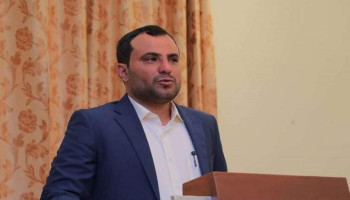
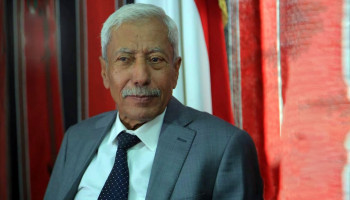
A report by Al-Masirah TV clarified that the detentions of several UN employees were security measures, not “arbitrary raids,” as claimed by the United Nations. Acting Foreign Minister Abdul-Wahid Abu Ras stated that the main reason for the detentions was the involvement of a WFP-linked cell in targeting the Government of Change and Construction, including high-ranking officials such as the late Prime Minister Ahmed Ghalib Al-Rahwi.
Abu Ras emphasized that all measures were carried out under full judicial oversight, with the prosecution fully informed throughout the process, and the case has now been formally submitted to competent courts for judgment. The ministry also revealed other violations, including the illegal introduction of intelligence and surveillance devices into Yemen.
The Foreign Ministry criticized the politicization of humanitarian work by some UN agencies, noting that organizations like the World Health Organization operate freely yet deviate from their humanitarian mandates. Recent years saw interruptions in aid programs, including halts in health support such as subsidized oxygen supplies for hospitals, reflecting a deliberate targeting of essential services.
At the same time, the ministry stressed its continued support for impartial humanitarian work, ensuring that compliant international organizations receive full facilitation to carry out their missions. Yemen called on the UN to take responsibility for breaches that allowed foreign intelligence agencies to infiltrate its programs and stressed the need for accountability to prevent recurrence.
Observers say that successfully prosecuting those involved could demonstrate Yemen’s ability to protect its sovereignty and national security while maintaining vital humanitarian assistance for millions of citizens.