
Just days after the United Nations found itself embroiled in scandal, following revelations by national security agencies about the involvement of World Food Programme (WFP) and UNICEF staff members in espionage activities that threatened the nation’s security, the World Health Organization (WHO) and UNICEF have announced the suspension of health support across nearly two-thirds of the liberated regions.
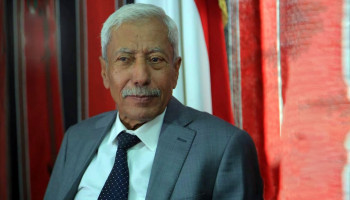
According to Minister of Public Health Dr. Ali Shaiban, both organizations abruptly halted assistance to large portions of the healthcare sector without prior notice.
Speaking to Al-Masirah TV, Dr. Shaiban warned that the decision puts at risk the functioning of 2,000 health units and 72 hospitals, as well as the supply of fuel, oxygen, medicines, IV fluids, therapeutic nutrition for children, and epidemic response operations.
He described the move as a calculated attempt to shock the system and pressure the health sector, effectively targeting the most vulnerable—patients in need of lifesaving care.
The minister emphasized that his ministry is making every possible effort to mitigate the damage and ensure continuity of essential health services.
Dr. Shaiban condemned the sudden halt in aid as a form of collective punishment affecting nearly 80% of the population, stressing:
“Two million people suffer from malnutrition, including 600,000 with severe acute malnutrition—these individuals will be directly harmed by this inhumane decision.”
He went on to criticize the WHO’s justification, which cited “security developments,” saying it reveals the politicization of humanitarian work—a dangerous precedent that, he insisted, the United Nations must not allow itself to fall into.