Published:
In the battle for consciousness—where ideas have become a battlefield—enemies of humanity have long invested vast resources to undermine global convictions and positions. From an early stage, the Arab and Muslim world faced the heaviest targeting, given that its positions could influence the trajectory of Zionist agendas in the region.
Zionist strategists view the manipulation of awareness as the most effective means of defining public direction, shaping choices, and ultimately controlling minds and collective consciousness in ways that secure the path toward their objectives without resistance. Thus emerged the “soft war” and its modern tools: media, digital platforms, and research centers. Social media, used methodically, succeeded not only in beautifying lies but also in reshaping mindsets. Many Arab intellectuals became drawn to foreign cultural models, believing them to be the basis of Western advancement. This trend extended to several Arab governments, which embraced such ideas as a framework for governance, lifestyle, and political positioning. One consequence of this cultural surrender was a growing detachment from the causes of the Arab and Islamic nation, leading to the denunciation, and even condemnation, of anti-colonial movements and Palestinian resistance.
Powers of global arrogance understand well that success in manipulating consciousness can accomplish what military action often cannot. Attacking a society’s thought, doctrine, and culture can collapse it from within and prevent its rise. For this reason, Arabs were targeted through sustained campaigns of distortion and disinformation, and the current state of the region stands as evidence of the effectiveness of such policies.
Yemeni Discourse Exposes the Hypocrisy of Global Powers
Confronting attempts to “cauterize awareness” and derail natural Arab reactions to unfolding regional events—particularly those engineered by the Zionist entity—the Yemeni people have demonstrated remarkable resilience. Both in form and substance, they have refused to detach from the moral and natural stance toward these Zionist-directed developments. Although U.S. and Israeli efforts temporarily succeeded in misleading parts of the world regarding Yemen’s position and operations in the Red Sea, Yemeni discourse ultimately dismantled and discredited the hostile narrative. Today, global audiences increasingly accept that “Yemen does what it says”—a testament to the failure of deception experts in promoting their fabricated storylines.
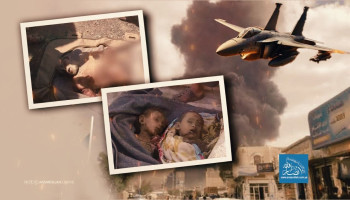
Yemen aligned its deep-rooted convictions—derived from faith, ethics, and humanitarian values—with concrete action. It positioned itself as a defender of principles the world has shamefully abandoned in Palestine, despite those principles being enshrined in international law and echoed in global statements time and again. This alignment made Yemen a leading model in rejecting the moral deviation displayed by the United States and Israel toward the Palestinian people. Yemeni discourse also exposed the blatant hypocrisy of these forces and their allies in matters of human rights—highlighting the criminal violations in Gaza, from depriving children of milk, cough medicine, and essential medical items to starvation and the obstruction of life-sustaining supplies.
The horrific acts committed by the Zionist entity—including bulldozing the bodies of Palestinians who had been waiting for humanitarian aid—reinforced the truth about the predatory nature of the U.S., Israel, and Britain. These powers commit atrocities, then become outraged when free nations refuse to accept their behavior and insist on exposing their crimes.
A Practical Expression of Leadership’s Commitment
This is how Yemen confronted Western and Zionist attempts to target its consciousness and convictions—with clarity, intensity, and effectiveness. Yemeni society, still strongly attached to its faith and culture, has shown itself to be among the most resistant to psychological manipulation, deception, and intellectual erosion. Over the past decade—and especially in the last two years—forces of malice and hostility concentrated their attacks against Yemen, deploying every tool to undermine its identity. Yet Yemen demonstrated remarkable capability in the battle of awareness, unifying its people under a single, unwavering stance unaffected by threats or military aggression.
Parallel to its military preparation, Yemen also worked intensely to immunize society from infiltration by raising public awareness through enlightened discourse and locally rooted efforts that remain connected to reality while benefiting from technological and digital advancements. This approach reflects the national leadership’s commitment—across all levels—to enabling society to understand events, decipher enemy movements, and uncover hidden intentions.
Yemen’s commitment to this domain does not stem solely from immediate necessity but from the recognition that the battle for consciousness is ongoing and will intensify as colonial powers and wealth-plunderers escalate their frenzy. The Zionist project seeks to reshape the region and impose a “New Middle East,” making vigilance in this arena essential.
A Zionist Strategy Designed to Break the Arab World
From the colonial era to the creation of the Zionist entity and continuing today, psychological warfare and the targeting of minds have remained central to hostile agendas. These efforts have become far more potent with the explosion of communication technologies. The complicity of certain regimes created fertile ground for spreading ideological toxins across Arab and Islamic societies.
With easy access to digital platforms and the exploitation of youth ambitions and economic needs, the battle for consciousness has become as critical as military preparedness—if not more so. False information now travels faster than a bullet and leaves a deeper, longer-lasting impact, often forming the basis for positions that ultimately serve the enemy.
At its core, this is a purely Zionist doctrine. The concept of “cauterizing awareness” did not emerge spontaneously nor from academic theorizing; it is a product of the Zionist mindset. The Zionist Defense Minister and Chief of Staff, Moshe Ya’alon—known for his fascist views—was the architect of this strategy. Its objective remains unchanged: to inflict psychological defeat upon Palestinians and the Arab world while entrenching the notion of Israeli military superiority, thereby cultivating self-doubt and surrender.
The World Acknowledges Yemen’s Moral Stance
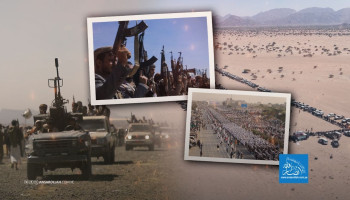
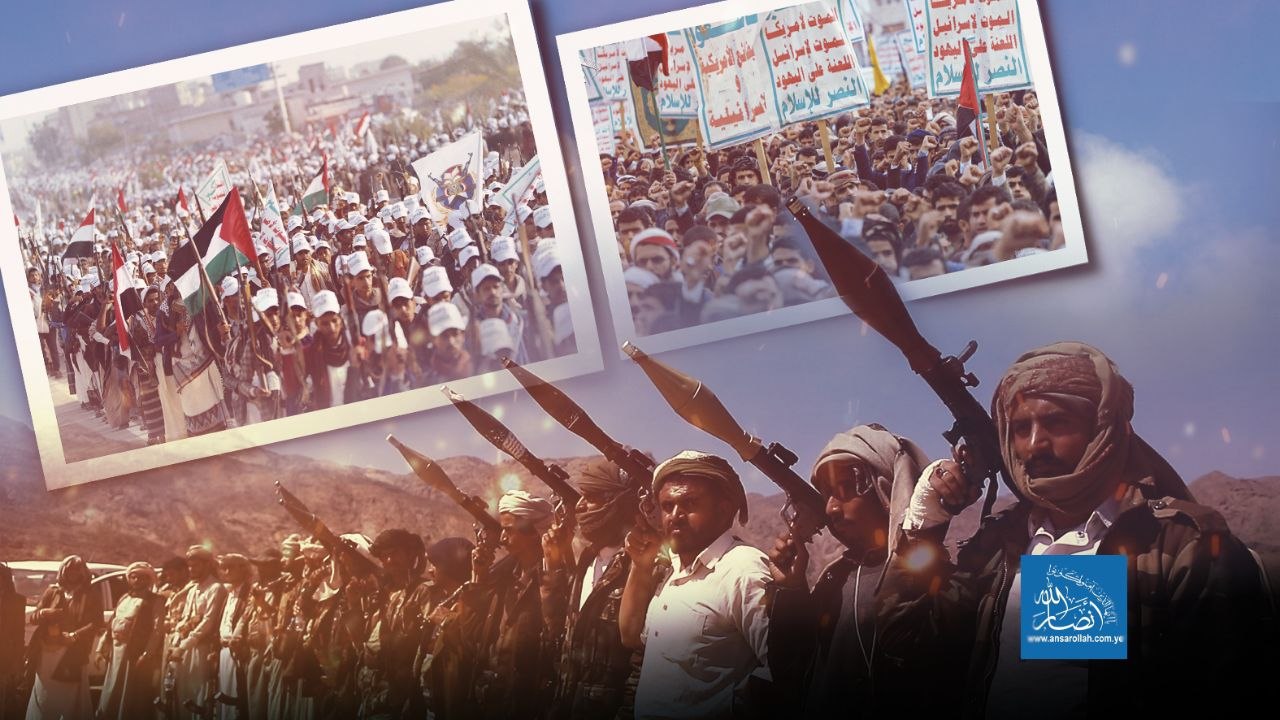
It is no exaggeration to say that Yemen—after defeating the U.S.-Israeli coalition militarily and undermining both states’ strategic security doctrines—has also achieved a decisive victory in the battle of awareness. The unity and resilience of the Yemeni people reflect this triumph, as do the massive crowds that have filled free Yemeni regions for two consecutive years.
Contrary to Zionist expectations, international voices have increasingly acknowledged the moral clarity and principled motivations behind Yemen’s actions—articulated in universally understood humanitarian terms. Despite lacking the vast material and technological capabilities of its adversaries, Yemen delivered powerful lessons that earned recognition even from foes. Its efforts to counter the cauterization of collective awareness and the fragmentation of Yemeni society through distorted narratives and fabricated truths met the challenge head-on, granting Yemenis intellectual immunity, reviving values of loyalty and belonging, and protecting society from hostile ideologies.
Through steadfastness, clarity, and a profound sense of responsibility, Yemen has emerged as a victorious force in the wars of narrative—defending truth, exposing deception, and safeguarding the consciousness of its people.