Published: Rajab 19, 1447 AH
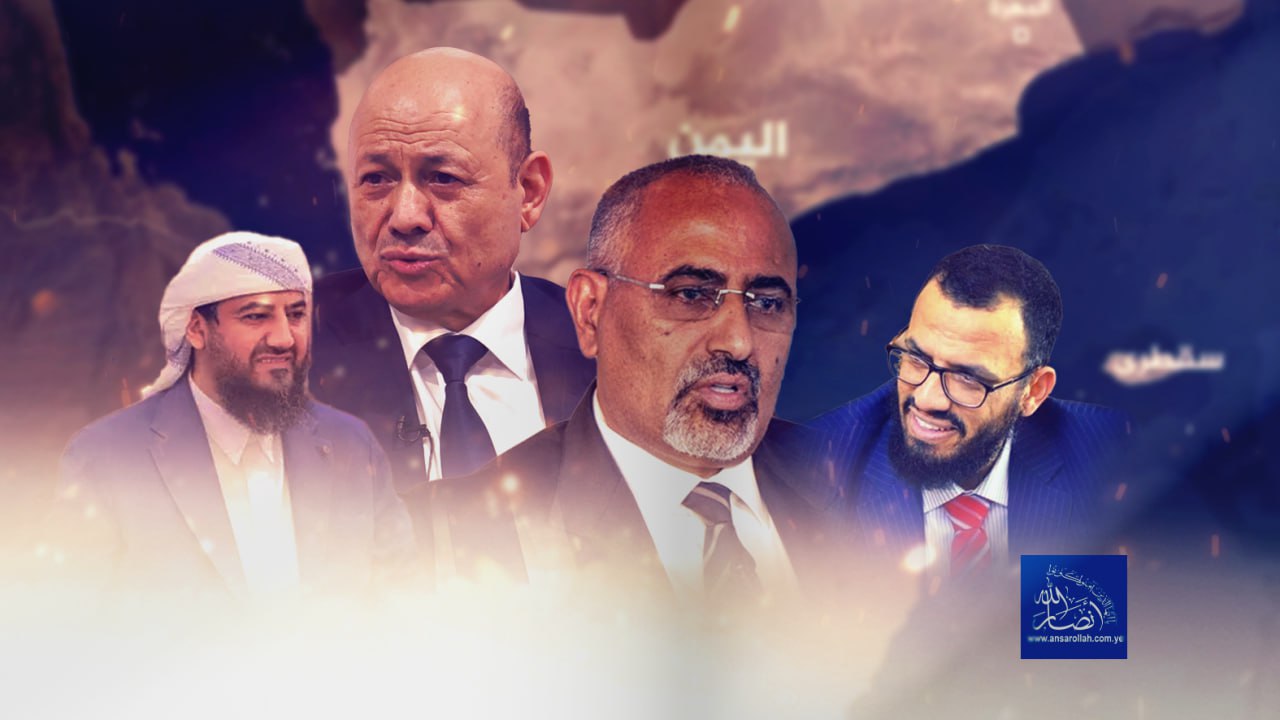
A state of ambiguity surrounds the delegation of the Southern Transitional Council (STC) that traveled to Saudi Arabia, as senior STC figure Hani bin Brik has accused Riyadh of betrayal. At the same time, the council’s internal structure is disintegrating alongside the collapse of its presence in areas that were once considered its strongholds and primary base for targeting Yemen and pushing it back into an era of fragmentation. Its media outlets have seen their voices fade, its armed groups have lost cohesion, and what was once described as a “dream” has come to an end. A harsh reality, with its shocking facts, now weighs heavily on the Emirati-backed camp, leading to an unfortunate outcome that arrived earlier than expected—accelerated by Saudi Arabia, the principal sponsor and leader of efforts to fragment Yemeni society.
While Saudi Arabia may have delivered a blow to the United Arab Emirates by dismantling the “Southern Transitional Council,” both parties, in the final analysis, are portrayed as losing nothing. Battles and interests remain negotiable, while the dead and the destruction are neither their own people nor on their own lands. The American umbrella continues to encompass all sides, and the scope of movement for the two poles of the aggression and occupation alliance remains confined within clearly drawn limits.
The euphoria of the STC dissipated in an uncalculated moment, after it had believed—albeit briefly—that it had broken the rule stating that seeking foreign assistance against one’s own homeland inevitably leads to loss. This exposed a lack of understanding of political realities. The council moved naïvely alongside occupiers without securing even minimal guarantees for its own existence, ultimately presenting yet another example of the familiar and inevitable fate of those who align with enemies against their country.
Saudi Arabia Entrenches Hostility Among Its Followers
From the outset of the push toward fragmentation, it was evident that Saudi Arabia viewed the process as premature, believing that conditions were not yet ripe for implementing the plan. Accordingly, Saudi statements criticized the UAE and its representatives for acting unilaterally without coordination, in addition to Riyadh’s own calculations regarding Hadramout and Al-Mahra.
Saudi Arabia’s current moves stem from its desire to reorganize the situation in a way that positions Riyadh as the sole reference authority for all details in the occupied areas. In line with this approach, it undermined all STC initiatives and assumed the forefront of the occupation and guardianship scene in the southern governorates, thereby monopolizing the decision on division according to its own vision.
Despite these sudden developments, no observer expects them to lead to any improvement for the occupied south. Instead, they are seen as reinforcing division between two camps—one aligned with Saudi Arabia and the other with the UAE. Each camp, in turn, fractures into factional groups, each hoping to eliminate the others. This environment confirms the true intentions of the division, even as Riyadh attempts to suggest otherwise by hastily removing the STC from Hadramout and Al-Mahra.
The STC Loses All Its Gains
Hadramout is described as a red line in Saudi-American strategic thinking since the beginning of the occupation. The United States, seeking to explore and control oil- and mineral-rich regions worldwide, has designated Hadramout as one of its supply sources, while allowing Saudi Arabia to benefit by preventing Yemenis from accessing their wealth on one hand, and exploiting the governorate’s geography on the other.
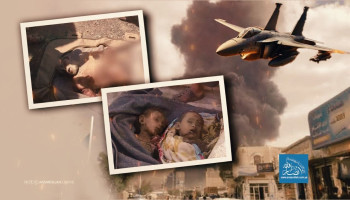
For this reason, the punishment of UAE-aligned forces came in a harsh manner. Riyadh not only stripped the STC of all its gains but also initiated a campaign of eliminations—whether through direct airstrikes targeting council leaders or through abductions. Some STC figures have spoken of the “disappearance” of the council’s delegation in Riyadh, a matter later highlighted by the American news agency Associated Press, which reported the disappearance of a delegation of 50 members after arriving in the Saudi capital. This was accompanied by the unleashing of security chaos, the ignition of inter-factional conflict, and internal assassinations, resulting in dozens of Yemenis killed or wounded.
Early Exposure to the Nature of the Relationship
Amid these developments, the UAE has completely withdrawn from the scene of protecting its followers, preferring to bow to Saudi will and remain beyond the reach of Saudi anger. Abu Dhabi reportedly pulled back what remained of its presence under Saudi pressure, prioritizing its broader interests over defending its proxies. Political calculations dictated a strategy of deflection, placing responsibility for the consequences of occupation squarely on the Saudi ally.
As a result, sentiments among the STC and its supporters toward the UAE shifted dramatically. Streets that were once filled with slogans such as “Thank you, UAE of goodness” saw a reversal in mood. While the STC has suffered losses, the Emirati projects remain intact. The UAE’s role in targeting Yemen’s unity and looting its resources extends beyond Abu Dhabi’s intelligence rooms to decision-making centers in the United States and global Zionism.
Al-Islah Outside the Coalition’s Calculations
Earlier still, Yemen’s Islah Party—linked to the Muslim Brotherhood and once convinced it was closest to the Saudi ruler—found itself facing betrayal despite its displays of loyalty and obedience. The party, which believed Hadramout would be its share of the national “cake,” suddenly found itself excluded from the calculations of the aggression and occupation coalition. STC groups, either by direct instruction or through deliberate neglect, moved into their areas of influence and curtailed their power, leaving the party bewildered and uncertain. The American-led approach marginalized Islah’s role, forcing it to salvage what remained of its presence in Taiz and Marib.
Fragmentation of Competing Leadership
With facts becoming clearer, the false claims of the occupiers were exposed, and the chorus of leadership figures—divided by conflicting loyalties and objectives—fell into disarray. In Hadramout, Al-Mahra, Socotra, and Shabwa, the pattern repeatedly revealed what are characterized as malicious intentions: the occupier promises followers a prosperous future while secretly cultivating all the conditions necessary for discord and division.
Ultimately, this early exposure of the true nature of the relationship between the occupier and proxy represents an opportunity to reassess positions. Saudi Arabia’s current monopoly over decision-making in the occupied governorates has stripped these local tools of any real power, revealing them as inert pawns—devoid of spirit and will.