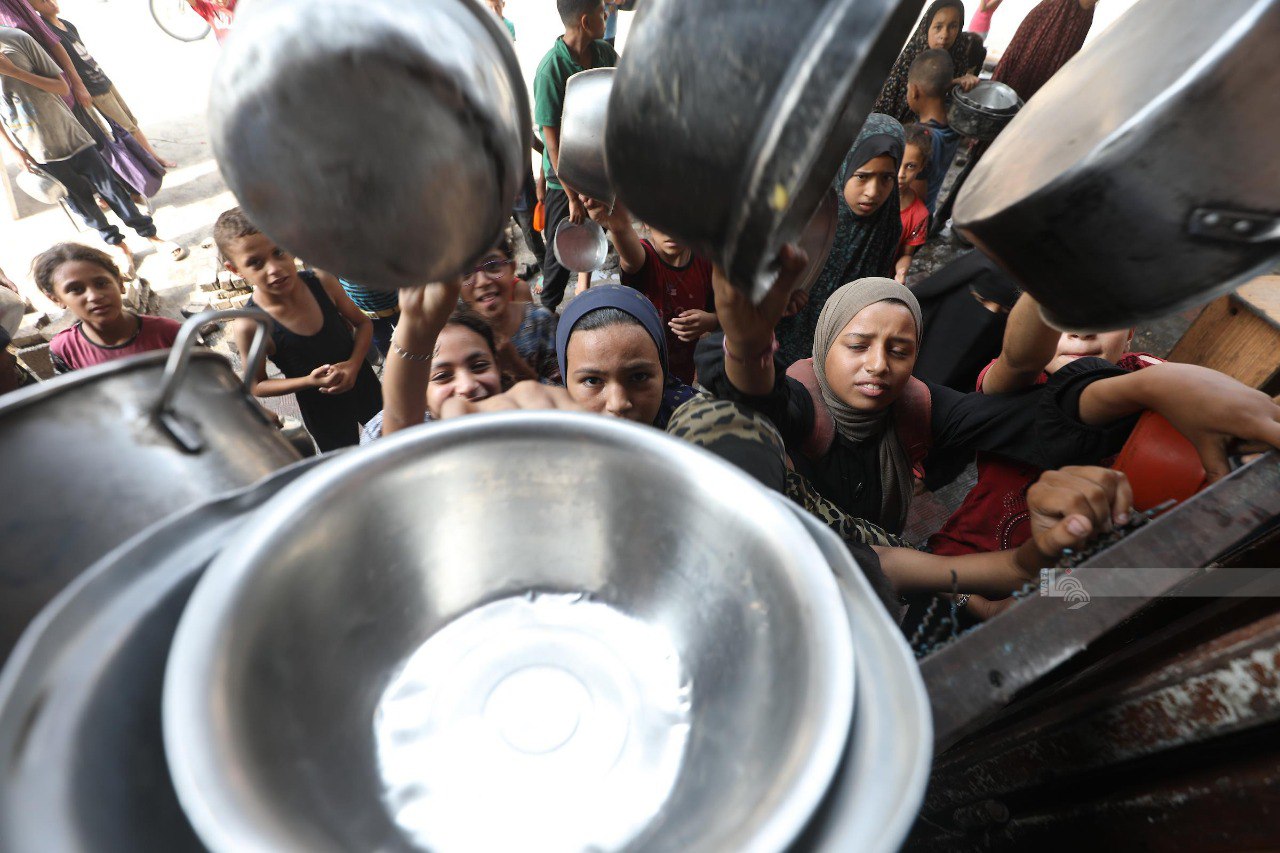
The Euro-Mediterranean Human Rights Monitor said that “Israel” is exploiting the international preoccupation with the war with Iran to intensify its policy of starving civilians in the Gaza Strip, noting that Israeli forces have closed the crossings leading into the enclave.
In a press statement on Monday, the organization said that Israeli authorities closed all crossings with Gaza on February 28, suspending the entry of humanitarian aid, fuel, and commercial supplies.
It added that on March 3, Israeli authorities reopened the Kerem Shalom crossing to allow limited quantities of fuel and aid shipments to enter.
The rights monitor explained that from the reopening of the crossing until the end of last week, only dozens of trucks were allowed to pass, a figure around 30 trucks fewer than the daily average permitted before the outbreak of the war with Iran.
It also stressed that Israel has not complied with the commitments outlined in the ceasefire agreement, particularly those related to the entry of humanitarian aid and commercial goods into the Gaza Strip.
The truce agreement, which entered into force on October 10, 2025, stipulates that around 600 trucks per day should enter the enclave. However, according to official data, only 41% of that number has actually been allowed in.
The monitor further noted that the most significant violation concerns fuel supplies, as the amount permitted to enter has not exceeded 14.8% of the agreed quantity.
It added that the fuel shortage has continued to paralyze vital sectors, including hospitals, water and sewage networks, relief services, and transportation.
In the same context, Iyad Al-Shurbaji, head of the Gaza General Petroleum Authority, told Sanad News Agency that the enclave requires around 8,000 tons of cooking gas per month, with a daily consumption rate of about 260 tons, while the quantities currently allowed to enter do not exceed 20% of actual needs.
The rights group also pointed out that Israeli authorities present misleading figures regarding the volume of aid allowed into Gaza and refuse to subject the aid-entry process to independent international monitoring.
It stressed that this reality not only constitutes a breach of the ceasefire agreement but also falls within acts that form part of the crime of genocide.
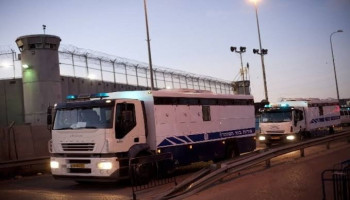
Earlier, Israeli authorities had announced the closure of all crossings in the Palestinian territories, including the Rafah crossing in southern Gaza, until further notice, citing the ongoing U.S.–Israeli aggression against Iran and Tehran’s response.
The closure of the crossings—particularly Rafah—halted the entry of humanitarian and medical aid into the Gaza Strip, amid worsening humanitarian conditions and a severe shortage of essential supplies.
Israeli authorities later announced on the evening of March 2 the gradual reopening of the Kerem Shalom crossing to allow humanitarian aid into the enclave.