Bill Galvin has spent much of the past month answering phones at the GI Rights Hotline. As counseling director at the Center on Conscience and War, he has witnessed a sharp rise in service members seeking ways to leave the military, NPR reported.
Most callers are asking about conscientious objector status, a demanding and rarely approved process. Many also use the hotline to voice frustrations they cannot express openly without facing punishment.
The US-Israeli war on Iran has become a major driver of discontent. In March alone, Galvin's center took on more than 80 new clients, nearly double its typical annual intake. On the busiest day, 12 new clients signed up, with one caller reporting that four other members of their platoon were also interested.
Morale crumbling
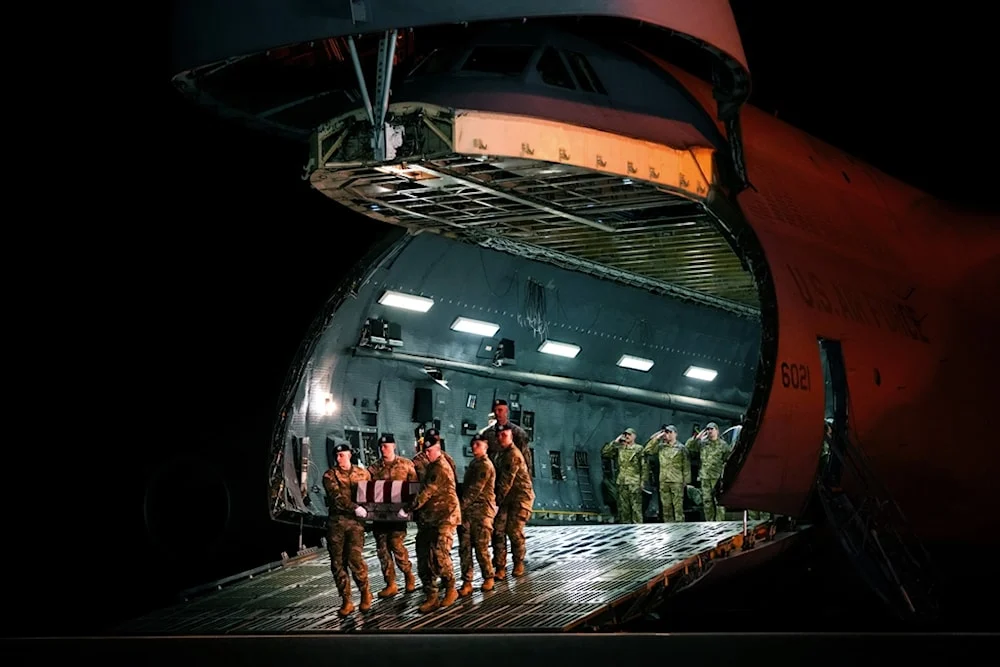
While the numbers remain small compared to the 1.3 million active duty personnel, former military officials and outside observers say the calls signal a deeper unease within the ranks. Multiple organizations and service members report that the military's ability to retain troops is cracking, driven by low morale and ethical concerns.
An Army career counselor, speaking anonymously for fear of retaliation, told NPR that retention is "crumbling fast". The counselor said cultural shifts under the Trump administration are pushing people out. "It has been a mess, and many individuals feel frustration throughout the ranks," the counselor said.
Some service members are retiring early or choosing not to reenlist. Others are seeking medical separation or breaking their contracts regardless of the consequences.
The Minab school attack
Galvin said nearly every caller mentions the US-Israeli strike on a girls' school in Minab, Iran, on the first day of the war. The attack killed at least 165 civilians, most of them schoolchildren.
A preliminary US assessment found that American forces were responsible, according to an official who was not authorized to speak publicly. The school had previously been part of an Iranian naval base and may have remained on outdated target lists.
"It comes up almost always," Galvin said. "They say, 'I can't be a part of something that's doing that.'"
Internal battles
Kori Schake of the American Enterprise Institute said the Trump administration is "dragging the military into the culture wars," creating a perception that women and people of color are not seen as deserving leadership roles.
"It is not just women and people of color who are feeling discouraged," Schake said. "It's people who wonder whether the military can preserve its inclusive meritocracy under political pressure."
War Secretary Pete Hegseth has overseen a major restructuring of the Department of War, including the firing of multiple four-star generals and admirals. One military official, speaking anonymously, called Hegseth "the Secretary of Culture Wars" and warned that his actions will "accelerate the brain drain we're already seeing."
Seeking a way out
Mike Prysner, executive director of the Center on Conscience and War, said calls surged around specific events, including the deployment of the National Guard and Marines to Los Angeles. When the US-Israeli war on Iran began, there was a clear shift. The center used to receive a few calls per week; now it gets three or four per day.
"When Iran was hit, it was like a detonator for everything that had been building," Prysner said. Callers include Special Forces personnel, fighter pilots, physicians, and surgeons. The highest-ranking conscientious objector client is a major.
Steve Woolford, a counselor with Quaker House who has worked the hotline for 25 years, said call volume has more than doubled since the war began. He took calls through the wars on Iraq and Afghanistan, but this feels different.
"People are very confused. The suspicion or distrust of the government seems much higher now," Woolford said. Many callers fear being ordered to carry out illegal actions or becoming complicit in war crimes.
Pentagon denies problem
The Pentagon rejected claims of a retention crisis. "There are zero retention concerns for Fiscal Year 2026," said press secretary Kingsley Wilson. "Every service is meeting its targets."
But experts note that service members seeking to leave would not appear in official data for months or even years. The Army career counselor said 2025 saw the highest number of retirees seeking guidance in their experience, nearly double the previous year.
An Ohio Air National Guard member who called the hotline the day the war began told NPR he has started applying for civilian jobs. He still has more than two years left on his contract, but says he is willing to face the consequences.
"It will definitely be a weight off my back," he said.
Source:Websites