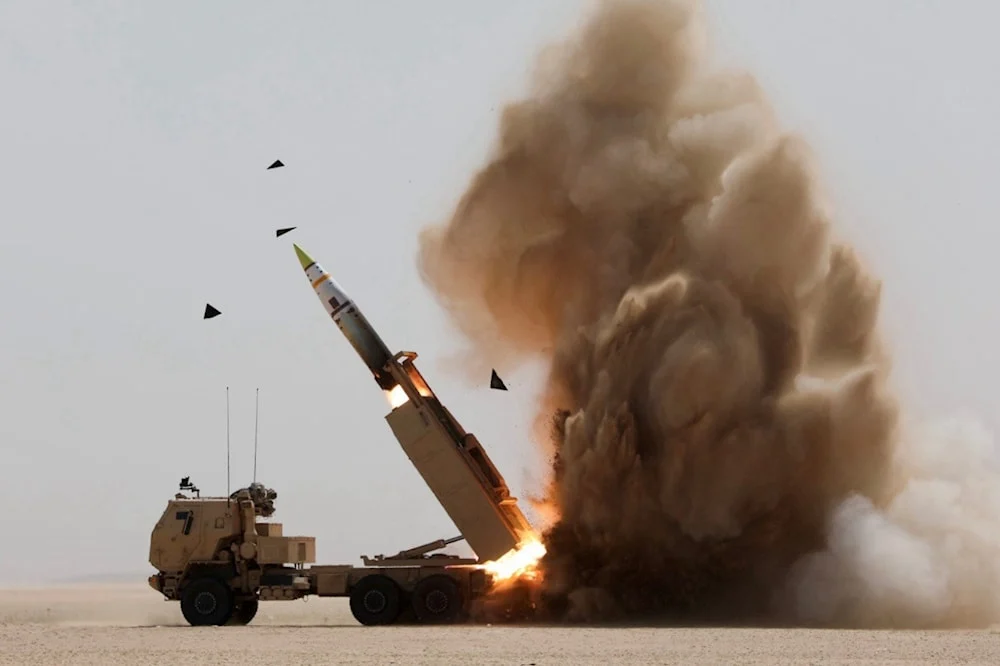
The war on Iran cost the United States not only billions of dollars, but also a significant portion of its stockpile of the most precise and expensive weaponry, Maariv reported, citing a recent analysis.
According to the Center for Strategic and International Studies (CSIS), US forces expended thousands of cruise missiles, interceptor missiles, and advanced air defense systems over 39 days of fighting, far exceeding initial estimates.
The aggression placed considerable strain on critical components of the US missile inventory, including Tomahawk cruise missiles, Patriot systems, ِTHAAD batteries, and SM-3 and SM-6 interceptors.
These systems are not limited to a single theater of operations but are considered essential strategic assets for broader US military planning, increasing the significance of their depletion.
Estimates cited in the analysis indicate that more than 850 Tomahawk missiles were used during the fighting alone, while Patriot missile usage reached into the thousands.
A Tomahawk cruise missile is estimated at around $2.6 million, while an SM-3 missile costs approximately $28.7 million. SM-6 missiles are priced at roughly $5.3 million, THAAD interceptors at about $15.5 million, and Patriot missiles at nearly $3.9 million each.
With thousands of launches recorded over a short period, total expenditures quickly reached into the billions, highlighting the financial burden of sustained high-intensity warfare.
Slow production raises concerns
Beyond the volume of munitions used, analysts point to the slow pace of replenishment as a major concern.
For several advanced systems, manufacturers report that production timelines, from order to delivery, can extend up to four years. This delay complicates efforts to quickly restore depleted stockpiles.
While the study suggests the United States retains sufficient munitions to sustain current operations, it warns that long-term readiness could be affected.
US performance jeopardized
The analysis highlights growing concerns about the United States’ ability to withstand another major war.
In a potential large-scale confrontation, such as one involving China, current US weapons stockpile levels could prove insufficient. The report notes that even prior to the war on Iran, stockpiles were already considered below optimal levels.
The recent aggression has further intensified these vulnerabilities, raising questions about long-term strategic resilience.
Limits of lower-cost alternatives
In response to rising costs and supply constraints, the US military has increasingly turned to lower-cost alternatives, including JDAM bombs and drone-based systems.
However, these options come with limitations, particularly in range, precision, and operational flexibility when compared to advanced missile and interception systems.
The situation is further complicated by international demand for US weapons systems.
US allies and partners, including Ukraine and in West Asia, rely heavily on the same missile stockpiles and defense systems. This places additional pressure on production capacity, as Washington must balance domestic military needs with ongoing supply commitments abroad.
Source:Websites