Published: 11th of Dhuʻl-Qiʻdah 1447 AH
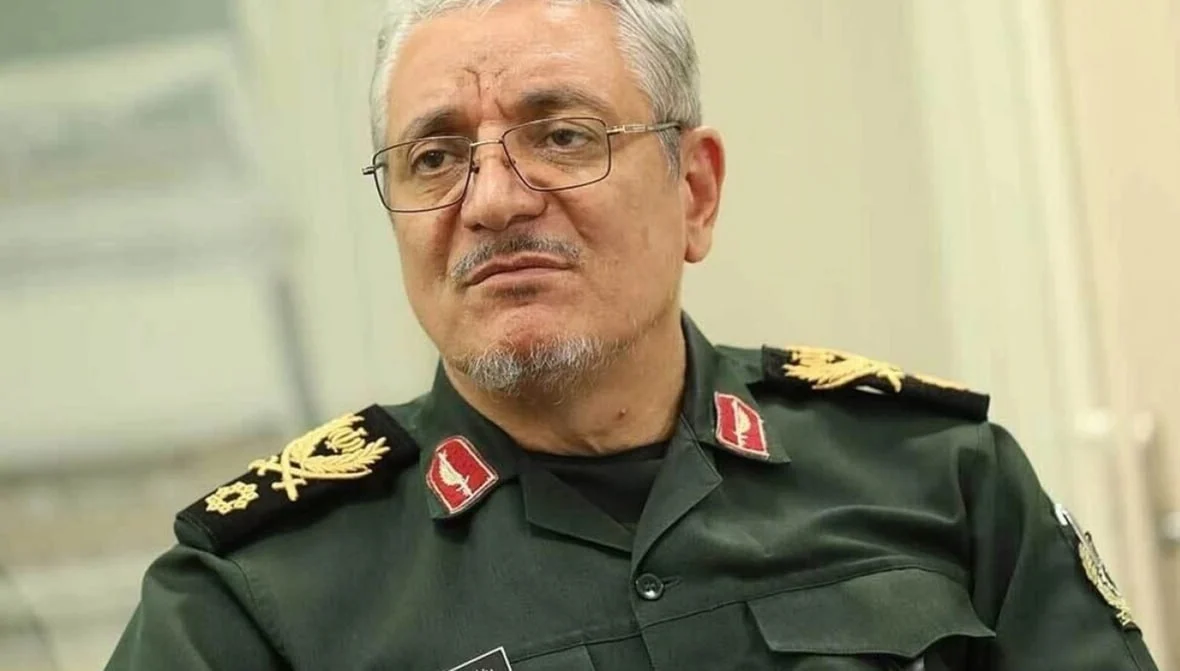
Reza Talaei-Nik, Assistant Minister of Defense of the Iran for Development of Management and Strategic Planning, stated on Tuesday that the United States “is no longer in a position that enables it to impose its policies on independent nations.”
The remarks came after Talaei-Nik arrived in Kyrgyzstan heading a military delegation to participate in a meeting of defense ministers from member states of the Shanghai Cooperation Organisation, which includes Kyrgyzstan, Russia, Pakistan, and Belarus.
During separate meetings with defense ministers, Talaei-Nik emphasized that Washington will come to realize it must abandon its illegal and irrational demands, “thanks to the resilience of the Iranian people and its armed forces.”
He also expressed Iran’s readiness to transfer its experience in defeating the United States to other members of the Shanghai Cooperation Organisation, stating that “the entire world today considers the United States and the Israeli entity symbols of state terrorism.”
He added that Iran today, alongside its readiness for strong defense and meeting the needs of its armed forces, is prepared to share its defense and military capabilities with independent countries, especially members of the Shanghai Cooperation Organisation.
In a related context, sources told CNN earlier on Tuesday that the United States and Iran are not as far apart as they may appear, despite the absence of a second round of talks in Pakistan.
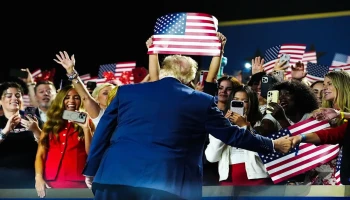
American President Donald Trump had previously stated that any agreement would require Iran to “give up its stockpile of uranium designated for military purposes” and halt enrichment, demands Tehran firmly rejects. Iran has repeatedly denied allegations that it seeks to develop nuclear weapons, insisting that its nuclear program is exclusively for peaceful, medical, and technological purposes.
Accordingly, a correspondent for Al Mayadeen in Tehran reported on Sunday, citing sources, that Iran has presented mediators with a three-stage negotiation framework, which, if accepted by Washington, would lead to the resumption of talks.
According to those sources, the first stage focuses on ending the war and obtaining guarantees that it will not be renewed against Iran and Lebanon, with no other issues to be discussed at this stage.
If an agreement is reached, the process would move to the second stage, which would address the management of the Strait of Hormuz after the end of hostilities. The third stage would then address the nuclear file, with Iran insisting it will not discuss the nuclear issue before agreements are reached on the first two stages.