A growing share of Americans say their financial situation is deteriorating, reaching the highest level in more than two decades, according to new polling data from Gallup.
In a survey conducted between April 1 and April 15, 55% of respondents said their personal finances are getting worse, up from 53% last year and 47% in 2024. The figure marks the highest level since 2001, exceeding readings recorded during both the 2008 financial crisis and the COVID-19 pandemic.
The poll also shows a sustained trend, with this being the fifth consecutive year in which more Americans report worsening financial conditions rather than improvement.
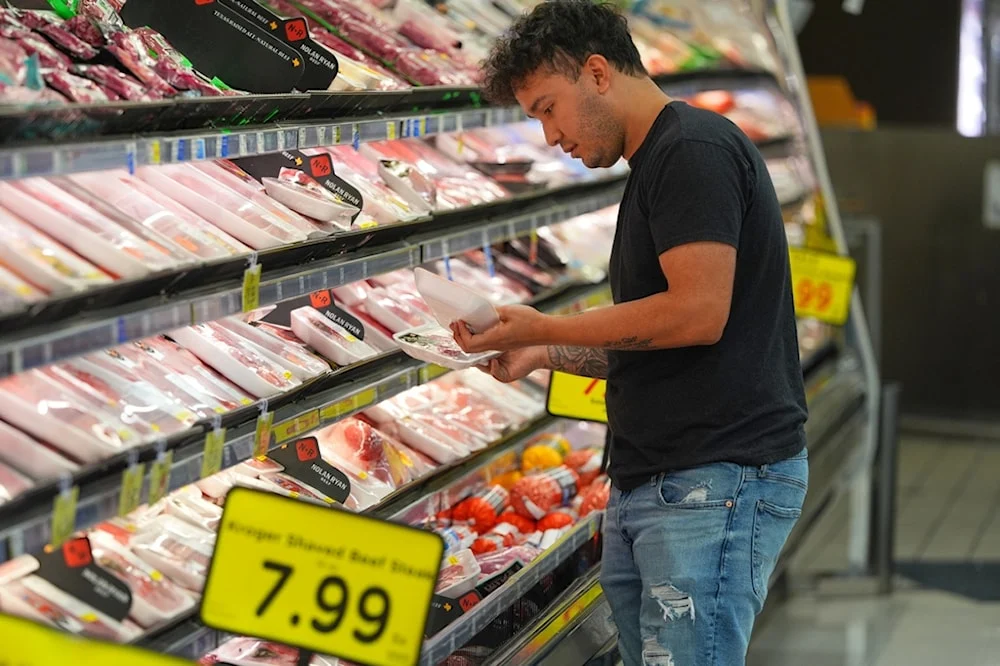
When asked to identify their most pressing financial concern, 31% of respondents cited the cost of living. Energy costs were also a major pressure point, with 13% naming them as their top issue, an increase of 10 percentage points from last year and the highest level since 2008.
Rising costs and inflation weigh on households
The findings come amid renewed pressure on household budgets, driven in part by rising fuel prices. Data from the American Automobile Association show the average price of gasoline at $4.11 per gallon, up sharply from levels below $3 before the start of the Iran war in late February.
Higher energy costs have contributed to broader concerns about inflation and declining purchasing power. While inflation has eased from its 2022 peak, it remains above levels seen during US President Donald Trump’s previous term, continuing to weigh on public sentiment.
The combination of elevated living costs, persistent inflation, and rising fuel prices has contributed to a sustained decline in financial optimism, according to the survey.
These pressures are also emerging as a potential political challenge ahead of the upcoming midterm elections, with voter frustration over affordability increasingly shaping public sentiment.
Economic headwind
In mid-April, the US Energy Information Administration warned that even if the war on Iran ends before May, energy prices are unlikely to normalize until late 2026, well into the election season.
The Democratic National Committee has seized on the mood, blasting supporters Friday with the headline "Consumer Sentiment Drops to LOWEST ON RECORD."
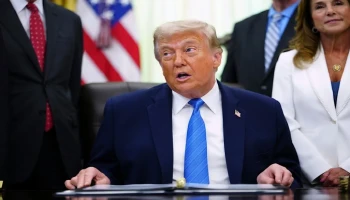
Even Trump appeared to acknowledge the problem in a Fox News interview, conceding that gas prices by November could be "the same or maybe a little bit higher," a damaging admission from a president who built much of his electoral campaign around cheap fuel.
One major GOP donor revealed to The Washington Post that if gas prices do not "revert to the mean in the next 45 days," he predicts voters "are going to punish Republicans at the ballot box."
Discontentment with Trump
Another poll by CBS News conducted in early April underscores the challenges facing the administration, particularly among independent voters, where Trump’s approval rating stands at 31%, compared to 69% who disapprove.
The survey also found that a majority of Americans report rising gas prices in their areas, contributing to increasingly negative perceptions of the economy. Concerns over a potential recession are also climbing, with approximately one-third of respondents anticipating an economic downturn within the next year.
Public resistance to higher energy costs appears strong, with 67% of Americans saying they are unwilling to pay more at the pump amid the war on Iran.
Despite these concerns, Trump’s overall approval rating has remained relatively stable, hovering around 40% or in the low 40s for several months. He continues to maintain solid support among Republican voters, though his disapproval rating stands at 60%.
Polling averages compiled by RealClearPolitics indicate that the president is currently at the lowest approval level of his second term, with an average approval rating of 41%.
Source:Websites