
Saudi Arabia’s fiscal deficit surged in the first quarter of this year to its highest level since 2018, driven by a decline in oil exports following the closure of the Strait of Hormuz and damage to key energy facilities.
According to a report published Tuesday by Bloomberg, the Kingdom’s budget deficit reached 125.7 billion riyals (approximately $33.5 billion) in the first quarter. This marks an increase of more than 32 percent compared to the deficit recorded in the fourth quarter of last year, which stood at 95 billion riyals.
Bloomberg noted that the deficit for the first quarter is more than double the level recorded during the same period last year, making it the highest since 2018.
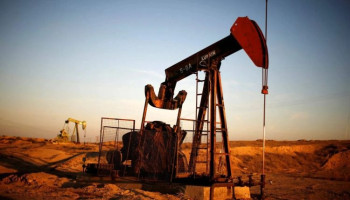
Saudi oil exports dropped sharply in March, declining by 50 percent due to the closure of the Strait of Hormuz and the shutdown of the Ras Tanura facility, the largest oil terminal in the Kingdom.
Despite efforts by Saudi Arabia to redirect exports to the Yanbu port, the Red Sea facility can only handle a limited portion of the country’s export capacity. The port also came under Iranian attacks during the final days of the conflict, leading to a temporary halt in its operations.
Bloomberg further reported that government spending on economic diversification projects under Vision 2030 continued to rise, contributing to the widening fiscal deficit.