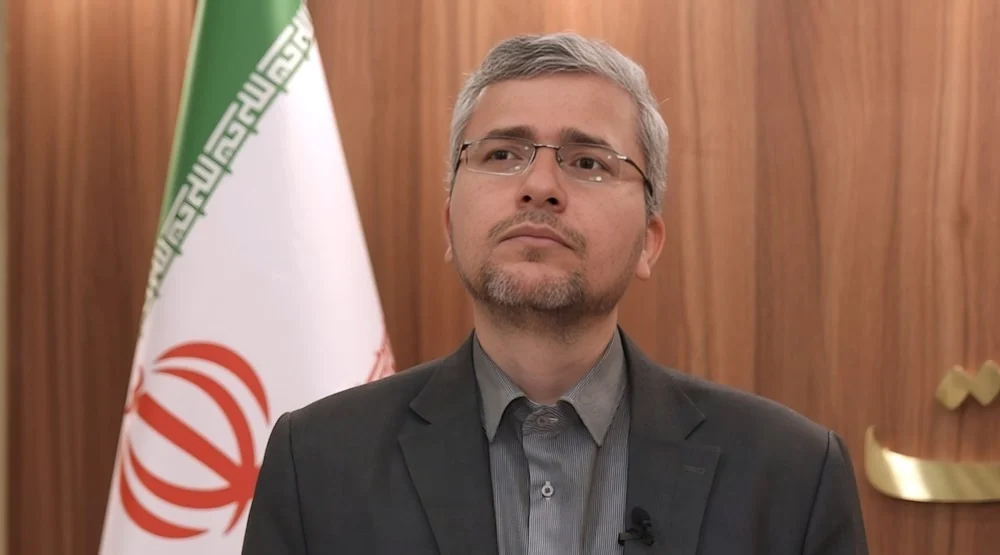
Ebrahim Rezai, spokesperson for the National Security and Foreign Policy Committee in Iran’s Parliament, stated that the United States’ imposition of sanctions on an Iranian Foreign Ministry diplomat amounts to sanctions on diplomacy itself, accusing Washington of lacking genuine willingness for dialogue.
In a post on the platform X, Rezai said that the ongoing negotiations “could also be a deception,” adding that the United States “does not truly seek diplomacy.”
He further remarked: “After imposing sanctions on Iranian diplomats, we should send missiles instead of diplomats to negotiate with them so they understand the gravity of the situation.”
The sanctions targeted Iran’s designated ambassador to Lebanon, Mohammad Reza Sheibani, along with security officials affiliated with the Amal Movement—Ahmad Baalbeki and Ali al-Safawi—as well as Brigadier General Khattar Nassereddine and Colonel Samer Hamadeh.
The sanctions also included Hezbollah-affiliated politicians: former minister and MP Mohammad Fneish, as well as MPs Hassan Fadlallah, Ibrahim al-Moussawi, and Hussein Hajj Hassan.
In response, Hezbollah described the sanctions as a “badge of honor” for those targeted, calling them “further confirmation of the correctness of our path,” and asserting that the measures “are not worth the ink with which they were written and will have no practical impact on our choices.”
Similarly, Amal Movement rejected the sanctions as “unjustified,” stating that they primarily target the movement itself.