Amnesty International has accused “Israel” of carrying out a state-led campaign of “ethnic cleansing” against Bedouin and herding communities in the occupied West Bank, saying the policy is aimed at accelerating annexation of Palestinian land.
In a major new report published on Wednesday, the human rights organization Amnesty International said Palestinian rural communities in Area C are facing escalating settler violence, forced displacement, and systematic pressure that is driving them off their land.
The report, authored by researcher Louis Bodin Larman, argues that these developments are not isolated incidents but part of a broader, coordinated policy involving state institutions, settlement expansion, and land appropriation.
'State-led campaign' of displacement in Area C
Amnesty said its findings show that 27 Bedouin and herding communities, comprising hundreds of Palestinians, were forcibly displaced between 2023 and 2025, or are at imminent risk of removal in Area C, which makes up around 60% of the occupied West Bank and remains under full Israeli administrative and security control under the Oslo framework.
The report points to a pattern in which remote pastoral communities, often lacking infrastructure or protection, are particularly vulnerable to pressure from armed settlers and expanding outposts.
It states that these communities are being pushed out through a combination of home demolitions, land restrictions, denial of building permits, and repeated settler attacks that go largely unpunished.
Settlement expansion and alleged state complicity
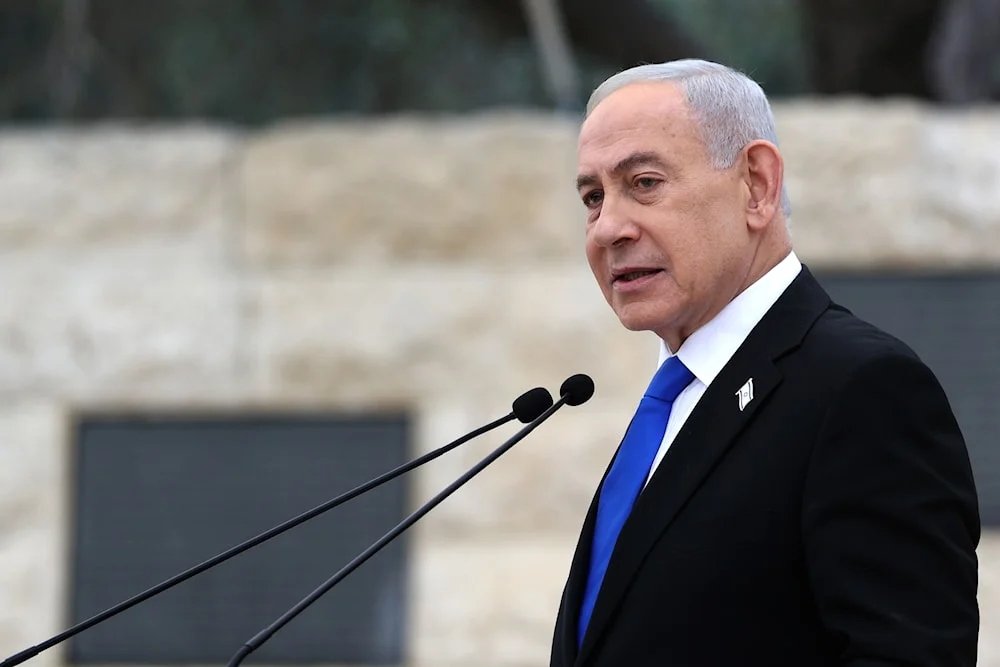
Amnesty International links the situation to a broader political shift under Prime Minister Benjamin Netanyahu’s government, which it says has accelerated settlement expansion and provided financial, logistical, and security support to settlers.
According to the report, official policies have contributed to the rapid growth of settlements and outposts, alongside measures that reduce Palestinian presence in key parts of the West Bank.
The organization argues that settler violence is not merely the result of “rogue actors,” but is enabled by state policy and political backing, citing public statements by officials supporting expansion in the territory.
It concludes that the overall policy framework amounts to a coordinated effort to entrench control over land and facilitate annexation.
Legal framework and international law allegations
The report also examines “Israel’s” obligations as an occupying power under international humanitarian law, arguing that the actions described may constitute serious international crimes.
Amnesty states that the practices documented include the war crime of unlawful deportation or transfer, as well as the crime against humanity of forcible transfer of population.
It adds that the scale and pattern of displacement indicate an organized policy rather than sporadic or incidental violence.
Rising settler attacks and growing displacement pressure
Bedouin and herding communities are stated as particularly exposed due to their isolation and limited access to state services or legal protection.
The report says repeated incidents of arson, vandalism, property destruction, livestock theft, and physical assaults have contributed to an environment in which communities feel compelled to leave.
Recent reporting from the occupied West Bank has documented similar patterns of displacement, including the evacuation of several Bedouin communities under sustained settler pressure.
Broader settlement context
Since late 2022, Israeli occupation authorities have approved the establishment of more than 100 new settlements and outposts in the West Bank, according to settlement monitoring groups such as Peace Now.
More than half a million Israelis now live in settlements across the occupied West Bank, alongside roughly three million Palestinians.
The international community widely considers Israeli settlements in the occupied territory illegal under international law, a position repeatedly affirmed by United Nations bodies.
UN and human rights concerns over displacement trends
The report aligns with broader warnings from UN agencies about rising displacement in the West Bank since the escalation of violence following the outbreak of the Gaza war in 2023.
The UN Office for the Coordination of Humanitarian Affairs United Nations Office for the Coordination of Humanitarian Affairs has reported a sharp increase in settler-related incidents, including attacks on Palestinian communities, infrastructure damage, and livestock losses.
Humanitarian agencies warn that the cumulative effect of settlement expansion, movement restrictions, and repeated violence is fragmenting Palestinian rural life and increasing the risk of further forced displacement.
Amnesty concludes that the international community’s failure to intervene effectively has allowed the situation to intensify, warning of an accelerating process of dispossession in the occupied West Bank.
Source:Websites