The United States' emergency crude oil stockpile is approaching its lowest level in more than four decades as the Trump administration continues drawing from the reserve amid the ongoing aggression on Iran and efforts to limit the impact of rising energy costs.
According to a report published by Fortune on Wednesday, the Strategic Petroleum Reserve (SPR) has been steadily declining since March, with millions of barrels released to help maintain supply and ease pressure on fuel prices.
The reserve stood at 349.2 million barrels on June 5, its lowest level in three years. Current withdrawal rates have raised concerns that the stockpile could soon fall below the 346.7 million barrels recorded in July 2023, a level not seen since the early 1980s.
Analysts warned that continued depletion of the reserve could reduce Washington's ability to respond to future supply disruptions or energy market shocks.
"It's a pretty monumental number to hear multi-decade lows reached," Patrick De Haan, head of petroleum analysis at GasBuddy, told Fortune. "The longer this goes on, the fewer tools the administration has in dealing with it, and the more risk there is to a slingshot for costs."
Oil markets brace impact
The decline comes as energy markets remain sensitive to developments surrounding the war, particularly concerns over the security of oil shipments through the Strait of Hormuz.
While average gasoline prices in the United States have fallen slightly from the previous week, they remain significantly higher than levels recorded a year ago.
According to data from AAA cited by Fortune, the national average price for a gallon of regular gasoline stood at $4.15 on Wednesday, compared with $4.26 a week earlier and $3.12 during the same period last year.
De Haan said market participants remain concerned about the possibility of a broader energy shock if disruptions in the Gulf intensify.
With shipping through the Strait of Hormuz heavily affected by the war, he told Fortune that analysts fear energy markets could "panic" and that prices may rise sharply in the coming weeks.
Tensions rattle markets
The latest concerns emerged after a series of military exchanges between Washington and Tehran. US President Donald Trump on Wednesday threatened further action against Iran if negotiations fail to produce an agreement.
"They keep playing us for suckers," Trump said, warning that the United States could strike Iran "very hard" in the absence of a deal.
The remarks followed reports that a US military helicopter was downed over the Strait of Hormuz earlier this week, after which Washington launched strikes on Iran. Iranian forces subsequently carried out attacks against US military facilities in Bahrain, Jordan and Kuwait, according to the report.
Despite growing tensions, several factors have helped limit even larger increases in oil prices. Analysts cited weaker demand growth in China and energy conservation measures in some countries as mitigating influences on global markets.
Nevertheless, questions remain over how long current conditions can be sustained if hostilities continue and emergency reserves keep shrinking.
"Nobody really has the answer for when we're going to hit those levels," De Haan said.
Emergency stockpile
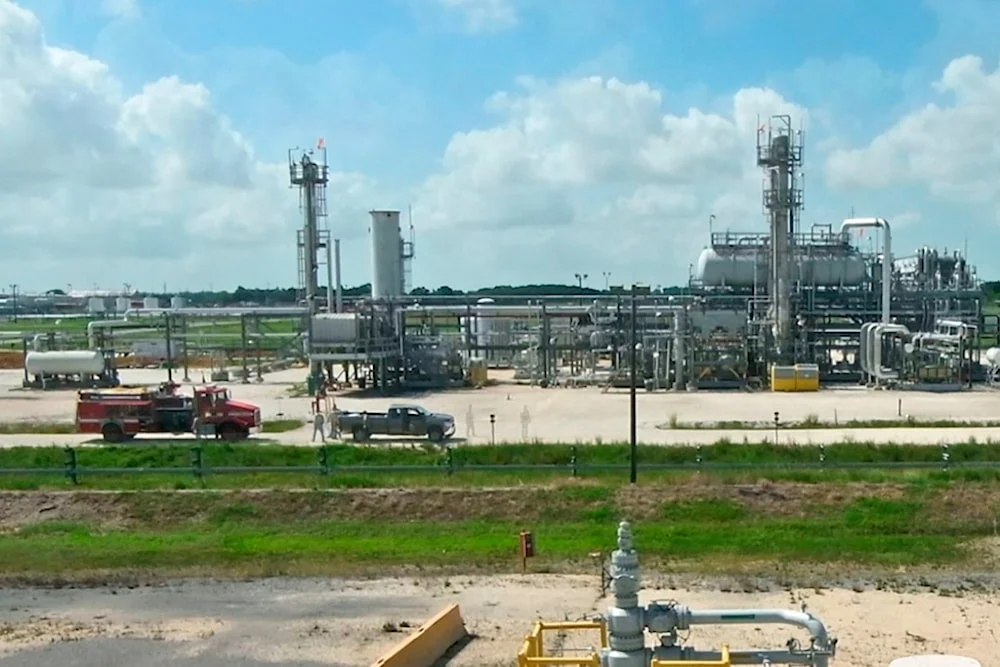
Established in 1975 following the oil embargo of the early 1970s, the Strategic Petroleum Reserve was designed to protect the US economy against major supply disruptions. The stockpile is stored in large underground facilities along the Gulf Coast in Texas and Louisiana.
The reserve reached its highest level in January 2010, when it contained more than 726 million barrels of crude oil. Since then, successive administrations have tapped the reserve during periods of market instability, natural disasters, and geopolitical crises.
Source:Websites