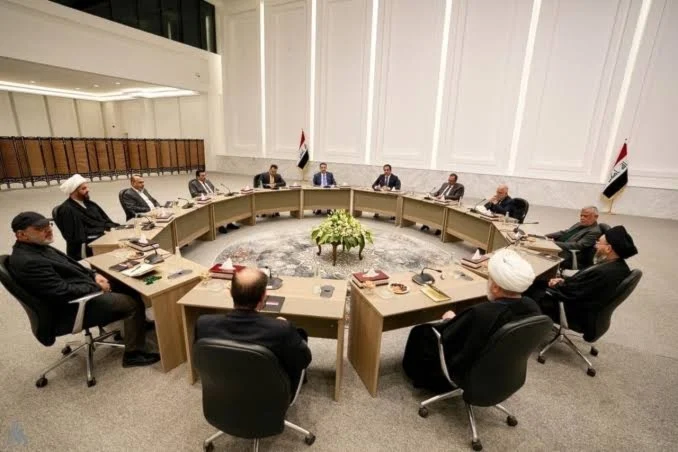
The Iraqi Coordination Framework held an emergency meeting at the Government Palace to discuss the U.S.-Saudi attacks on the country's sovereignty.
In this context, the Coordination Framework condemned the aggression, emphasizing that it constitutes a "flagrant violation of the country's sovereignty and the sanctity of its territory." It expressed surprise at the attacks "at a time when the government is adopting a balanced policy based on cooperation with the regional surroundings and the international community."
The Framework considered that these attacks do not serve regional and international efforts aimed at de-escalation, contributing instead to complicating the scene and threatening security and stability across the entire region.
The Coordination Framework stated that "Iraq's security and sovereignty cannot be accepted to be transgressed or infringed upon under any circumstances," rejecting the transformation of the country into an arena for regional and international conflicts.
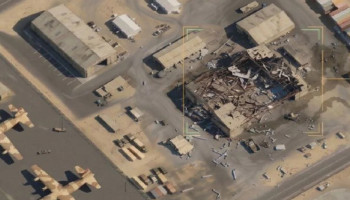
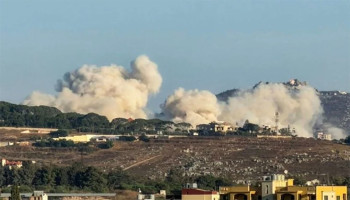
On Wednesday, the Popular Mobilization Forces (PMF) announced that at least 20 fighters were martyred and 32 others injured in terrorist attacks launched by the joint U.S.-Saudi aggression targeting several official PMF headquarters across multiple Iraqi governorates.
The PMF explained in a statement that the attacks struck the authority's headquarters in the governorates of Baghdad, Wasit, Nineveh, Basra, Kirkuk, Karbala, and Diyala, which also resulted in varying degrees of material damage to several headquarters, vehicles, and military equipment.
Meanwhile, the Saudi Ministry of Defense announced that the Saudi Armed Forces, in coordination with U.S. Central Command (CENTCOM), "launched qualitative and targeted strikes against goals belonging to militias on Iraqi territory," justifying the action by pointing to their "connection to targets that struck petroleum facilities in Saudi Arabia."
In response, the Islamic Resistance in Iraq denied Riyadh's accusations of targeting Saudi territory, viewing the Saudi claims as an "attempt to justify the inability to respond to the painful Yemeni strikes that hit the depths of its infrastructure in the Eastern Province and Riyadh, out of fear of the nature of the upcoming Yemeni response."
The Resistance affirmed that its response to the U.S. aggression is inevitably coming after the conclusion of the Arbaeen pilgrimage ceremonies, noting that it may target "the tools of the American enemy in Saudi Arabia whenever circumstances demand it."