
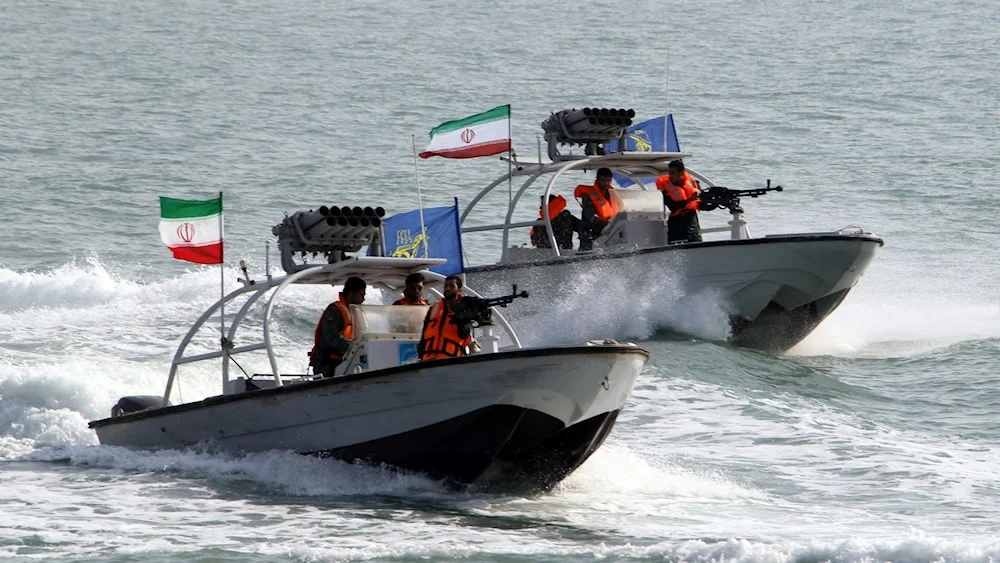
Iran’s ability to influence shipping through the Strait of Hormuz has emerged as one of Tehran’s most consequential tools in its six-month confrontation with the United States and “Israel”, allowing the Islamic Republic to impose global economic costs without relying on nuclear weapons, Newsweek reported.
The war initially centered on Washington’s allegations concerning Iran’s nuclear program, which Tehran has consistently maintained is intended exclusively for peaceful purposes. However, the conflict has increasingly shifted toward maritime trade and energy security, where Iran holds considerable geographic and strategic leverage.
Disruptions in the Strait of Hormuz have shaken global oil markets, increased transportation and insurance costs, and fueled public frustration in the United States over the economic consequences of Washington’s war.
Trump has also repeatedly threatened additional attacks on Iran, including what he described as “the biggest attack since World War II,” only to step back from carrying them out.
Against this backdrop, analysts cited by Newsweek argued that Tehran’s capacity to disrupt one of the world’s most important shipping corridors may provide greater practical leverage than a weapon that could trigger overwhelming international retaliation.
“Iran’s ability to impose economic pain on the global economy is, in some ways, a more powerful weapon than a nuclear bomb,” Joshua Tallis, a former senior US Navy official and director of the Center for Naval Analyses’ Ally and Partner Security Affairs program, told Newsweek.
Source:Websites