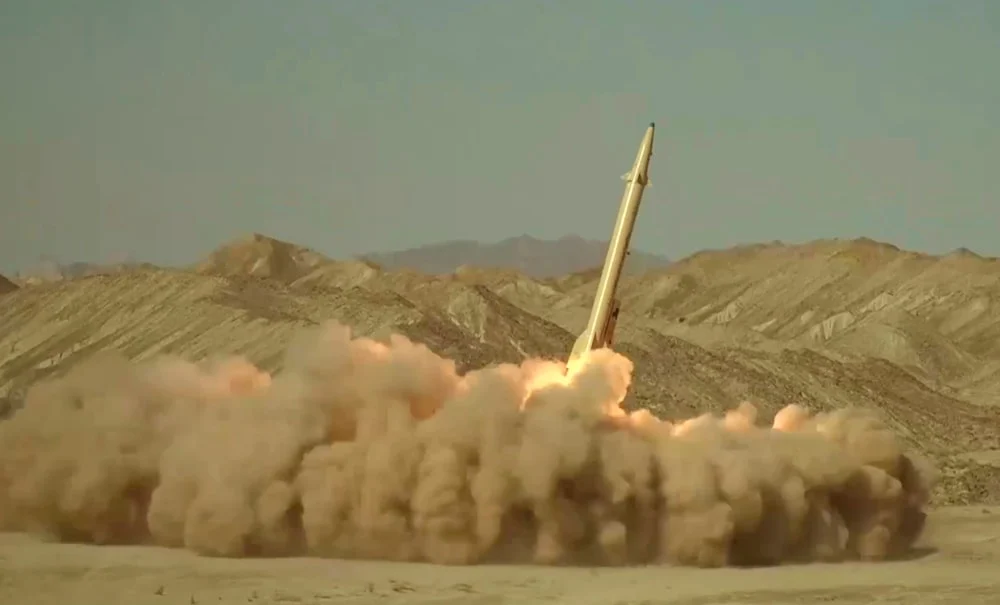
Iranian missile and drone attacks have inflicted damage on US intelligence posts and surveillance hardware in West Asia that is more extensive than any destruction America's spy agencies have endured, costing billions of dollars to repair, NBC News reported, citing four people with knowledge of the matter.
The strikes have forced Congress to find funds to restore the targeted facilities and prompted officials to weigh how to redeploy personnel and intelligence resources in the region, two of the sources told NBC.
The attacks have also raised questions about why the Pentagon, the American intelligence community and the State Department were not better prepared to defend government facilities from drone and missile strikes, military experts and former US officials said.
Part of a broader response to US aggression
The report follows an earlier NBC assessment in April that found Iranian strikes since the aggression was launched on February 28 had hit more than 100 targets across at least 11 US military installations in seven countries, including Qatar, the UAE, Bahrain, Jordan, Kuwait, Iraq and Saudi Arabia.
The American Enterprise Institute estimated infrastructure repair costs alone could exceed $5 billion, not including damaged equipment and weapons systems.
Meanwhile, the Pentagon has declined to provide detailed public damage assessments, citing operational security.
Penatgon seeks funding to replenish stockpiles
In late July, the Pentagon requested $67 billion in emergency funding for the current fiscal year, of which $18.2 billion is earmarked to replace advanced Patriot missiles, Navy Tomahawks, and the Army's THAAD high-altitude interceptors, according to documents sent to congressional defense committees.
The previously undisclosed breakdown includes $5.75 billion for THAAD interceptors, $5.57 billion for Patriot Missile Segment Enhancement models, $1.9 billion for SM-6 missiles, and $3.28 billion for three versions of the Navy's RTX Corp. family of standard missile interceptors.
It also includes $100 million to purchase a classified Lockheed Martin air-to-air weapon called the Joint Advanced Tactical Missile, which has not yet been fielded. The US fired 13,629 munitions at Iranian targets between the start of the war on February 28 and the April ceasefire, according to Bloomberg, and Joint Chiefs of Staff Chairman Dan Caine has privately warned that renewed major combat operations against Iran could dangerously deplete the interceptor supplies available to US Central Command.
Source:Websites
Iran inflicted billions in damage to US intelligence sites: NBC
Wednesday, 26 August 2026