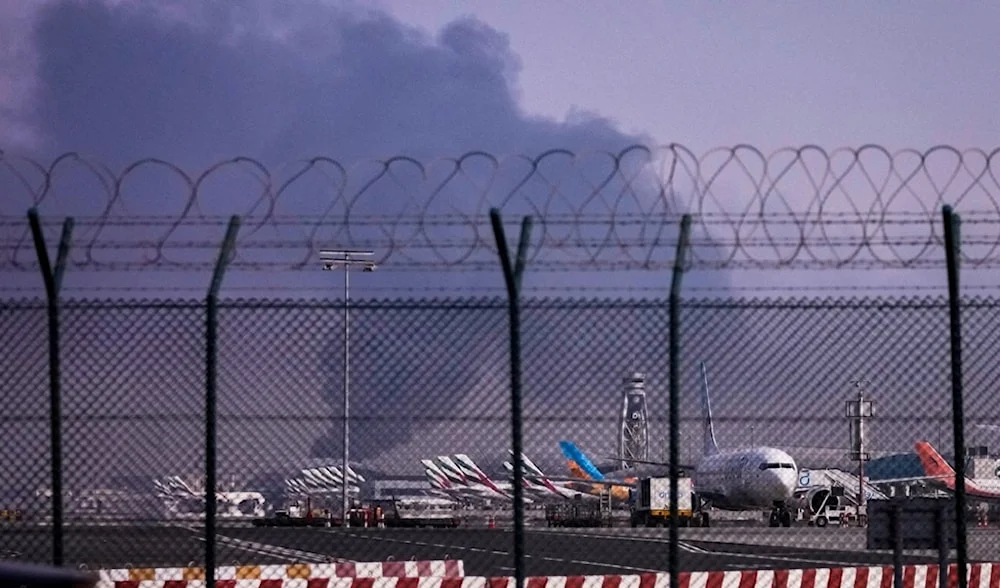
Dubai International Airport saw passenger traffic fall 31.3% in the first half of the year, its operator said on Wednesday, as the Iran war heavily disrupted traffic across the Gulf, including at the busy international travel hub.
DXB welcomed 13 million passengers in the second quarter, bringing traffic in the first six months of the year to 31.5 million, Dubai Airports said in a statement. That compared with 46 million passengers in the same period a year earlier. Aircraft movements totaled 150,600 during the first half, down 32.1% year on year, it added.
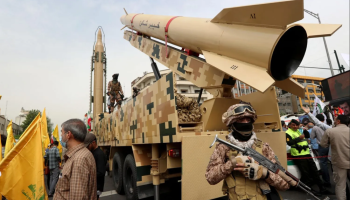
The US aggression against Iran, which started on February 28, has thrown the aviation sector into turmoil this year, with flights canceled, rescheduled and rerouted, while the fallout has reached well beyond the Gulf as soaring jet fuel prices weighed on airlines globally.
West Asian carriers, some of the world's biggest, have seen their networks upended by the war but have gradually resumed their activity. Emirates President Tim Clark said last month the airline was flying at 90% capacity.
Airlines gradually resume regional operations
However, while more airlines are restoring flights across West Asia, major carriers including Lufthansa, British Airways and Singapore Airlines remain cautious and have extended suspensions on a range of routes in the region.
Still, Dubai Airports said the hub showed resilience, while capacity was returning and investment continued. "The steady return of international carriers, improving connectivity and strengthening load factors signal resilient demand across key markets and growing confidence ahead of DXB's traditionally busier second half", it said.
The company had forecast passenger traffic of nearly 100 million passengers this year before the war started.
Seoul's Incheon overtakes Dubai
Meanwhile, Seoul's Incheon International Airport has overtaken Dubai International Airport to become the world's busiest airport for international passengers in the first half of 2026.
Incheon recorded 38.4 million international passengers during the first six months of the year, according to preliminary figures from Airports Council International (ACI) released by the South Korean airport.
The figures place Incheon ahead of London's Heathrow and Singapore's Changi airports. ACI said the preliminary data remain subject to final validation and that its full figures will be published next month.
Source:Websites