The prolonged war on Iran is putting growing pressure on US weapons stockpiles, raising concerns among Washington’s Asian allies and officials responsible for the Indo-Pacific that the demands of the conflict could weaken US military readiness for a potential confrontation with China.
According to The Washington Post (WP), the strain is already affecting military planning. The United States canceled an amphibious landing exercise with South Korea scheduled for September, citing demands on US forces from the war on Iran. The decision came a week after President Donald Trump announced that Washington would scale back joint military exercises with Seoul.
South Korea, Japan, and Taiwan depend heavily on the United States for major conventional weapons and are already facing significant delivery backlogs. The conflict in West Asia has intensified those pressures by consuming and redirecting munitions that could be needed in a potential conflict with China.
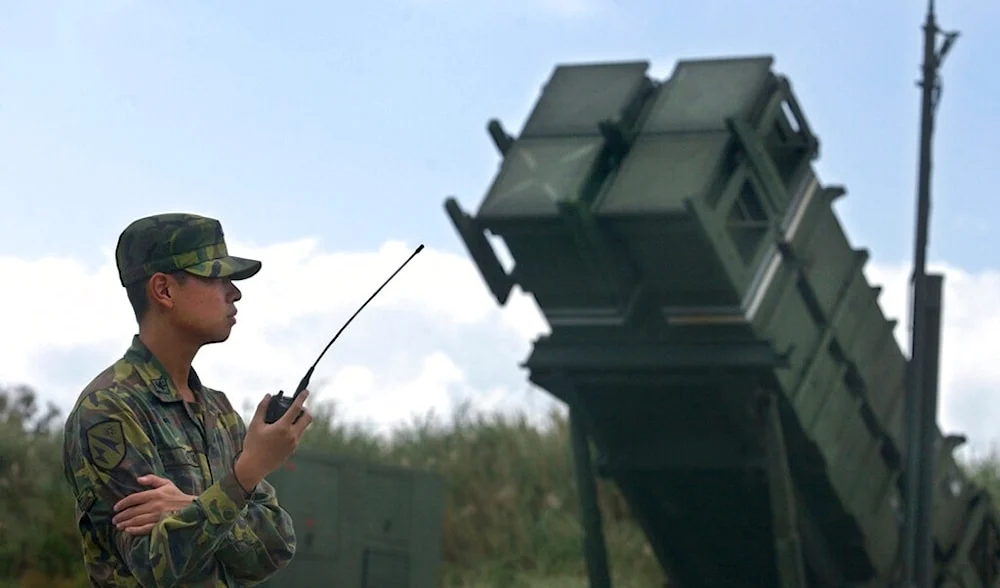
A Taiwanese official said Taipei expects "significant delays" in receiving Pac-3 Patriot missiles as the Pentagon has depleted much of its interceptor stockpile in West Asia. The official described the shift in focus from the Indo-Pacific as “troubling.”
Taiwan already has nearly $30 billion in US arms approved for sale that have yet to be delivered, including $882 million worth of Patriot missiles, according to Taiwan Security Monitor. Japan has also been warned about possible delays in defense shipments, including Tomahawk cruise missiles, according to an Asian diplomat familiar with the matter.
Japanese Defense Minister Shinjiro Koizumi said in May that delays were “possible,” but said Tokyo's plans to acquire Tomahawk missiles had not changed. Taiwanese defense officials told parliament in March that they still expected 102 Patriots to be delivered this year. The Financial Times (FT) reported that delivery of 400 Tomahawks to Japan could be delayed by as much as two years.
A War Department official claimed “the Joint Force remains postured, ready, and capable of deterring aggression” in the Indo-Pacific, adding that US military resources routinely move between combatant commands.
Jennifer Kavanagh, director of military analysis at Defense Priorities, questioned whether Taiwan would receive the full number of Patriot interceptors it expects. “It seems to me that the likelihood that going to get a whole 100 is pretty low. I think the number one priority for the United States, rightly, will be refilling its own stockpiles,” she said.
“The United States probably also feels like it owes Gulf state allies some replenishment. The war on Iran is not over,” Kavanagh added.
The depletion of US weapons has also reportedly become a source of tension between Trump and War Secretary Pete Hegseth, although Trump has denied that US weapons stocks are running low.
Source:Websites