
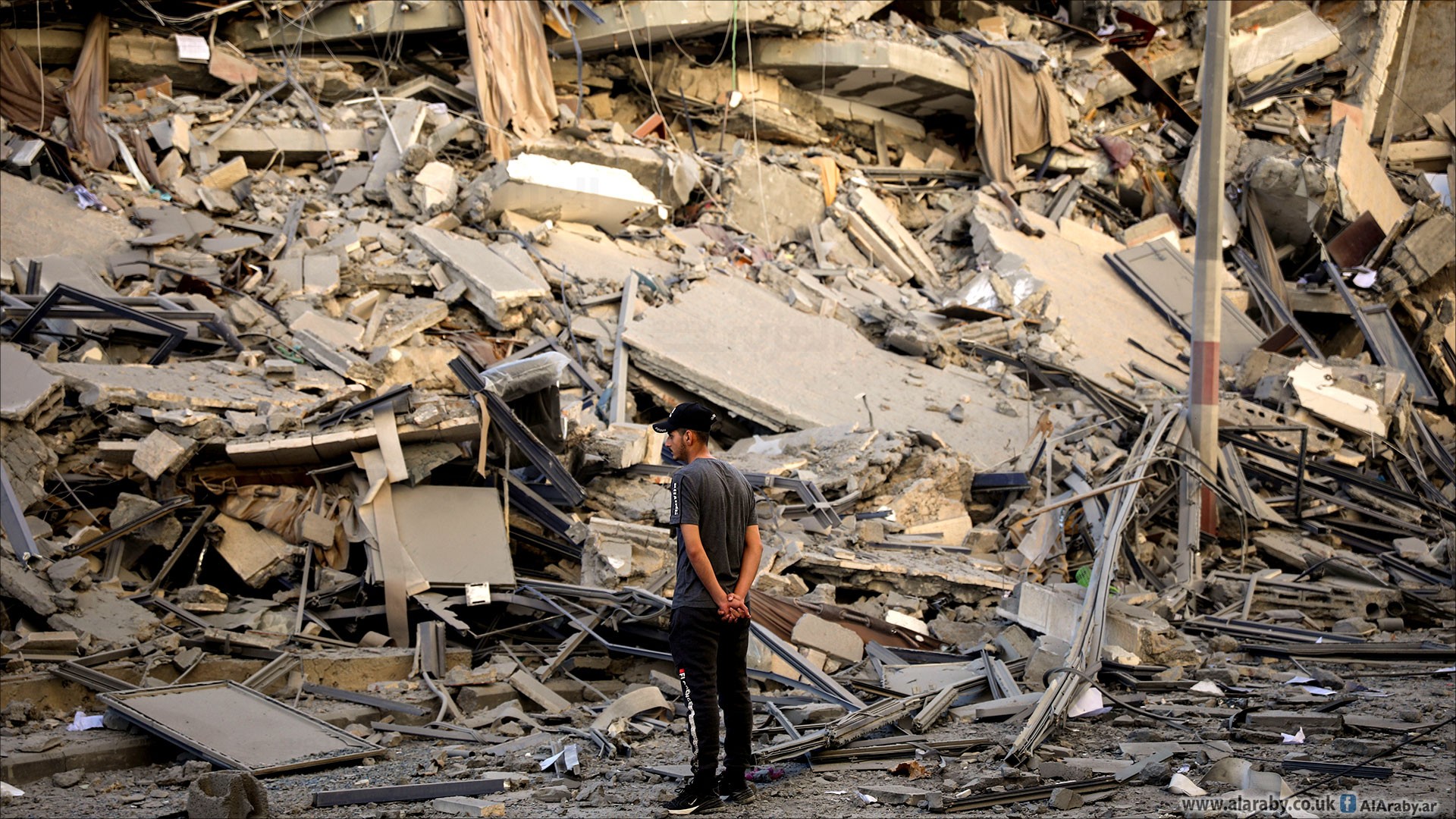
Jens Laerke, spokesperson for the United Nations Office for the Coordination of Humanitarian Affairs (OCHA), warned of the continued deterioration of humanitarian conditions in the Gaza Strip, amid a worsening shelter crisis, severe access restrictions, and an acute shortfall in funding for the humanitarian response.
In his latest briefing on humanitarian developments in the Strip, Laerke said that 58% of Gaza’s population faces acute or catastrophic shortages in shelter conditions or access to basic services and non-food items, exposing them to significant health and security risks.
He explained that around 1.98 million people, or 94% of the population of the Gaza Strip, are in need of assistance with shelter and essential supplies, while 84% of households face severe restrictions on living conditions, including inadequate protection from the elements.
He added that around two-thirds of households in the Strip are living in tents or temporary shelters that are rapidly deteriorating due to weather conditions. These shelters were primarily designed for short-term use. He noted that more than 70% of households experienced flooding during the past winter, amid fears that this could recur as the rainy season approaches.
Laerke pointed out that around two-thirds of the Gaza Strip’s area remains inaccessible or subject to severe access restrictions, leaving civilians in overcrowded and unsafe areas and limiting the ability of humanitarian organizations to reach them and provide their basic needs.
Regarding humanitarian response funding, he explained that the 2026 Humanitarian Response Plan continues to suffer from a severe funding shortfall, with only 40% funded as of August 26, limiting humanitarian organizations’ ability to respond to the growing scale of needs.
He noted that damage to water infrastructure is further exacerbating the humanitarian crisis, explaining that on August 24, damage to a water well and a desalination facility in Deir al-Balah disrupted access to safe drinking water for more than 4,000 people, including around 2,000 children.
These figures come as concerns grow over a worsening shelter and basic services crisis in Gaza with the approaching rainy season, amid damaged infrastructure, overcrowding in the areas available to residents, and continued shortages in funding for humanitarian operations.