The Gulf’s extraordinary wealth has long depended on an implicit bargain: abundant oil and gas, extensive infrastructure, and reliable access to international markets would allow the region to remain insulated from the instability surrounding it.
Six months of war have disrupted that assumption, exposing how vulnerable even the wealthiest Gulf economies remain when war threatens the infrastructure and trade routes on which they depend.
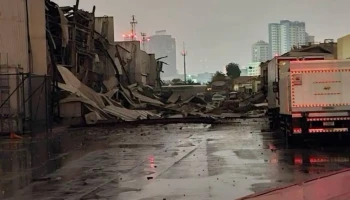
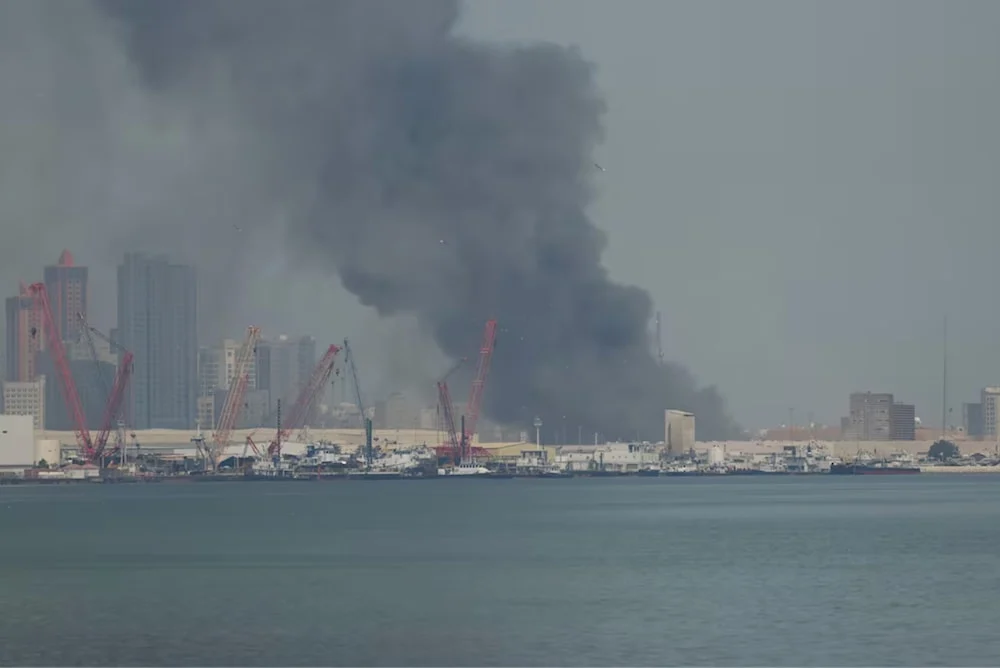
According to a report by Responsible Statecraft, the challenge extends well beyond oil and gas facilities. Ports, airports, electricity networks, desalination plants, financial centers, and tourism hubs can all be affected by the same regional shocks, while damage to energy infrastructure could take months or longer to repair.
Yet restoring production may ultimately be less difficult than convincing buyers, investors, insurers, tourists, and expatriate workers that Gulf exports and businesses can once again operate without major disruption.
The six members of the Gulf Cooperation Council (GCC) do not face these risks equally. Qatar, Kuwait, and Bahrain remain particularly exposed because their economies depend heavily on maritime routes through the Gulf, including the Strait of Hormuz.
Saudi Arabia has greater room to maneuver through its East-West pipeline, while the United Arab Emirates (UAE) benefits from Fujairah, an oil export hub positioned beyond the Strait. Oman is also relatively insulated because much of its key export infrastructure lies outside Hormuz.
The US war is consequently pushing the GCC states toward greater economic and logistical resilience. Governments are looking at alternative export corridors, overseas energy investments, larger strategic inventories, and ways of spreading critical infrastructure across a wider geographic area.
“The war doesn’t change the fact that the Gulf’s huge low-cost oil and gas reserves are the world’s most profitable,” Jim Krane, the Wallace S. Wilson Fellow for Energy Studies at Rice University's Baker Institute for Public Policy, told Responsible Statecraft. "But the war signals to investors, including local national oil companies, that they may be prevented from moving cargoes to market".
Iran’s ability to disrupt traffic through Hormuz has introduced another layer of political risk into decisions about where energy production and investment should be concentrated. Krane noted that this could make producers such as Algeria, Brazil, Mozambique, and the United States more attractive because their exports do not face the same geographic restrictions on access to open seas.
Source:Websites