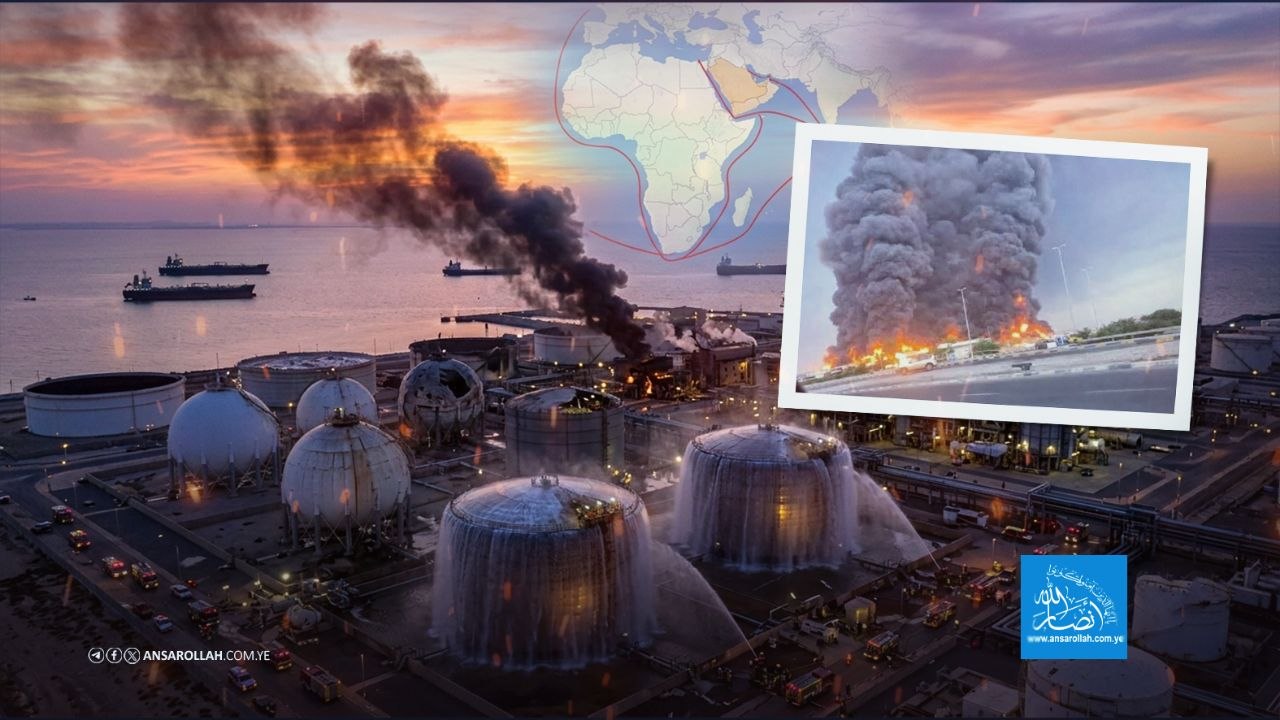
The U.S.-based maritime news outlet J. Captain reported that war-risk insurance claims in West Asia have exceeded $2 billion since the outbreak of the conflict, with more than 70 claims filed.
The expansion of maritime attacks has sharply driven up insurance premiums and prompted insurers to extend their war-risk zones farther along Saudi Arabia’s western coast, amid concerns that insurers could face billions of dollars in additional liabilities if the crisis in the Strait of Hormuz and the Red Sea persists.
Citing the International Maritime Organization, J. Captain said more than 72 attacks on vessels have been recorded since March. According to Lloyd’s List, war-risk premiums for vessels transiting the Strait of Hormuz have surged to between 40 and 60 times their pre-crisis levels.
The report linked soaring insurance costs to oil prices, noting that an estimated $7–8 of the current price of a barrel of crude is now attributable to war-risk insurance.
The situation has deteriorated further in recent weeks following Yemen’s announcement of a ban on Saudi-linked shipping through the Bab el-Mandeb Strait.
The developments have also complicated Saudi Arabia’s oil exports. Since the beginning of the conflict, Riyadh has sought alternative routes for transporting its crude. Before the attacks, it had expanded the capacity of the East–West Pipeline, allowing it to divert roughly 75% of its oil exports away from the Strait of Hormuz.
J. Captain also highlighted the broader impact on maritime insurance, reporting that insurers have expanded their designated war-risk areas by approximately 800 kilometers northward along Saudi Arabia’s Red Sea coast.
Reinsurers have subsequently repriced their coverage, while standard charterers’ liability policies have reportedly introduced a blanket exclusion for vessels linked to Saudi Arabia in any capacity.
The financial burden on shipping companies and Saudi interests has also intensified. Insurance rates, which have fluctuated in response to political developments, currently stand at around 10% of a vessel’s hull value.
With very large crude carriers valued at roughly $140 million each, the report said, the scale of the financial exposure has become increasingly significant.
J. Captain had previously reported that Saudi crude exports fell to around 3 million barrels per day in August, their lowest level since records began.
The outlet attributed the decline to the escalating Yemeni restrictions on oil tankers traveling to and from Saudi ports, saying that many international shipping companies and tanker operators have become increasingly reluctant to use the kingdom’s Red Sea ports.
The report added that Riyadh’s search for longer and more costly alternative shipping routes is unlikely to compensate for the volumes traditionally exported through its Red Sea ports.
The disruption of Saudi oil shipments through both the Red Sea and the Strait of Hormuz has further compounded the crisis, leaving Riyadh without a practical alternative capable of offsetting the losses.
J. Captain warned that a sustained decline in Saudi oil exports could quickly push global oil prices higher, intensifying inflationary pressures across energy markets and potentially inflicting wider damage on the global economy if the underlying causes are not addressed.