
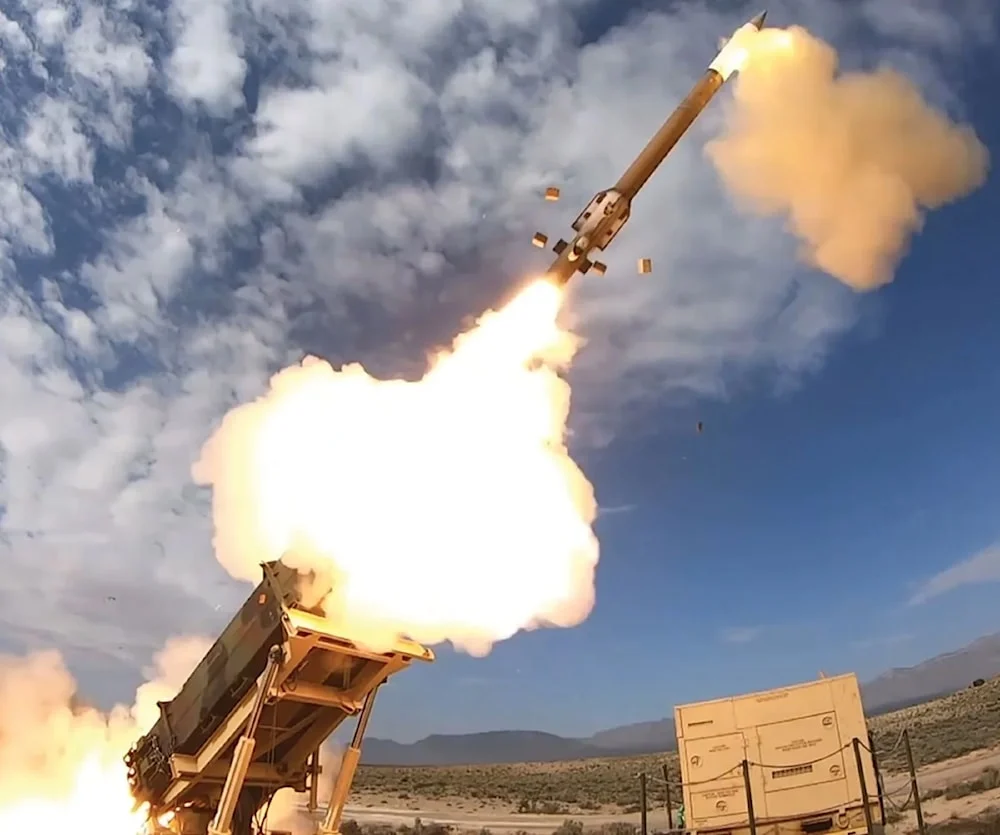
Twenty Iranian missiles forced the United States to expend a week’s worth of air defense interceptors at other points in the war, The Wall Street Journal reported, highlighting the growing strain on Washington’s missile defense resources.
The report said US forces fired 60-70 Patriot PAC-3 interceptors and more than a dozen THAAD interceptors last week to counter an Iranian ballistic missile barrage targeting Muwaffaq Salti Air Base in Jordan. The attack involved around 20 missiles, according to US and regional officials cited by the newspaper.
The barrage exposed a key challenge for missile defenses: attackers can launch fewer, cheaper missiles while forcing defenders to spend far more costly interceptors.
Iran’s missile tactics challenge US defenses
The WSJ reported that Iran has increasingly adapted its missile operations throughout the war, using different missile types, trajectories, maneuvers, and warhead configurations to complicate US interception efforts.
US officials cited by the newspaper said some Iranian missiles used warheads capable of separating into multiple projectiles as they approached their targets, adding complexity to US air defense operations.
Despite the defensive response, Iranian missiles reportedly struck aircraft and other equipment at Muwaffaq Salti Air Base, although no US troops were killed in the attack.
Source:Websites