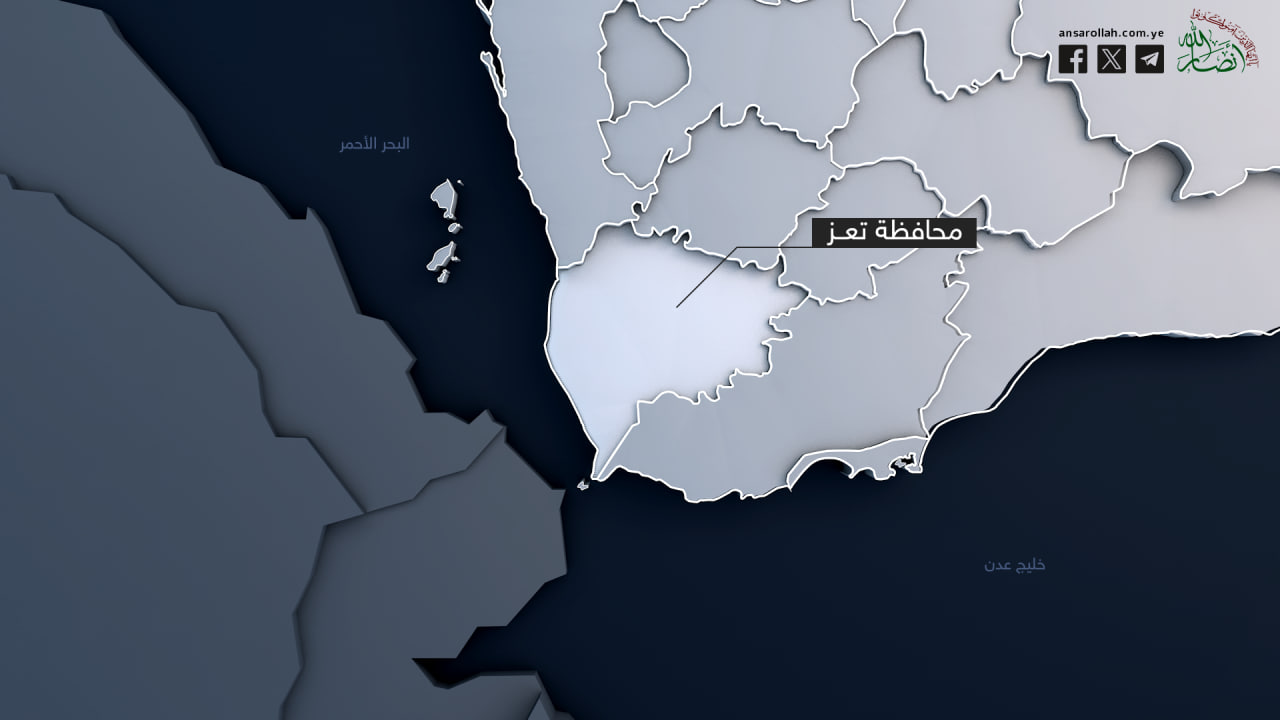
The Taiz Network for Rights and Freedoms held a press conference Tuesday in the city of Mokha, Taiz Governorate, announcing the release of a human rights report documenting a series of violations and alleged crimes in the governorate’s western coastal districts between 2017 and 2026.
The network said the report, based on field monitoring and documentation, provides a preliminary and non-final tally of victims and violations. It documented 1,971 civilian victims, including 758 deaths—147 children, 169 women and 442 men—and 1,213 wounded, including 283 children, 263 women and 667 men.
The network also documented 10 incidents in which military vehicles allegedly ran over civilians, resulting in 12 deaths and injuries. It further recorded eight deaths of detainees in secret detention facilities, identifying several alleged sites in Mokha, Khokha, Hays, Dhubab and Mayyun. The network said some detainees were transferred to Eritrea’s Assab military base and subjected to torture.
On displacement, the network said it documented the forced displacement of around 1,000 people, as well as the prevention of 270 families of engineers and technicians working at the Mokha power station from returning to their homes.
The report documented 244 cases of rape and sexual assault, involving 132 women, 84 children and 28 men and detainees. It also recorded 414 abductions, including 56 women, 145 children and 214 men, saying some abductees were used as leverage against detainees and opponents.
Regarding land seizures, the network said it had documented more than 800 cases involving the appropriation of public land, including 119 direct seizures of state-owned land in Mokha across 50 sites. The report accused 115 influential figures, military commanders and companies linked to Tariq Saleh of involvement in the seizures. It also documented 226 cases involving the appropriation of private property and land covering an estimated four square kilometers, in addition to the confiscation of more than 350 homes.
The network said the Mokha Port had been militarized, with 66 military barracks built within the port premises, effectively converting its civilian character to serve military purposes. It estimated that the decline in the port’s revenues had cost the public treasury more than 12 billion Yemeni rials per month.
The report also addressed the fishing sector along the western coast, citing heavy losses resulting from what it described as deliberate attacks, bottom-trawling operations, the suspension of several projects and restrictions imposed on fishermen. The network documented 80 attacks on fishermen in 53 maritime areas, resulting in 491 fishermen being killed or wounded, while 476 boats were destroyed and another 173 seized.
The Taiz Network for Rights and Freedoms concluded, according to statements made at the press conference, that the documented incidents constitute war crimes under international law and high treason under the Yemeni Constitution.
The report held the Saudi-led coalition and its affiliated forces criminally responsible for the violations and incidents it documented, calling for them to be addressed through the relevant legal and human rights mechanisms.
The network stressed that the figures remain preliminary and non-final, noting that its monitoring and documentation efforts are ongoing to complete the data on victims and violations in the western coastal districts of Taiz Governorate.