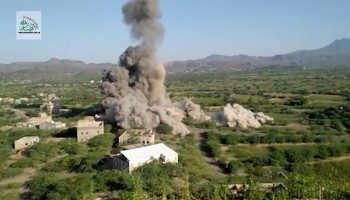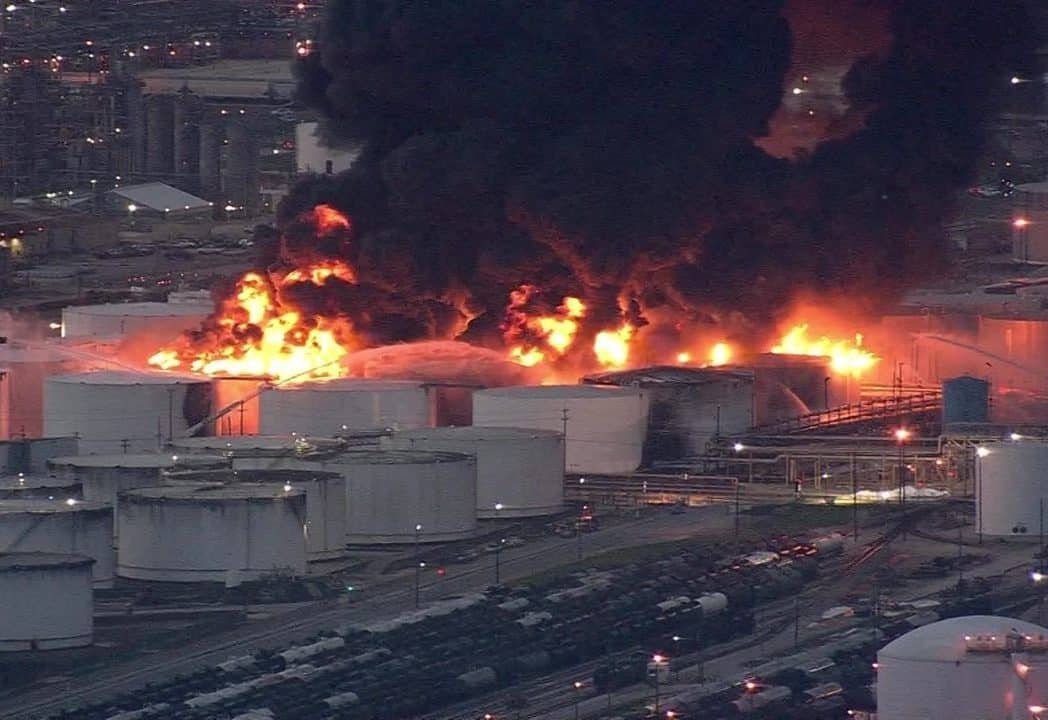
CNN reported that just days before Saudi Arabia’s National Day celebrations, thick clouds of black smoke were seen rising from fuel tanks near Riyadh’s international airport after the Yemeni armed forces targeted the Saudi capital for the first time in years, marking a major escalation in a regional conflict with potential repercussions inside the United States.
A former Gulf official told CNN that the situation was “extremely serious” for Americans, warning that amid the conflicts in Iran and Yemen, Saudi oil is now effectively caught between two chokepoints, with potentially significant knock-on effects on global prices. Saudi Arabia is the world’s largest crude oil exporter, supplying millions of barrels a day to global markets and wielding enormous influence over prices and, consequently, fuel costs for American consumers.
CNN said the Yemeni armed forces’ intensifying attacks have also placed critical alternative supply routes at risk. The network cited Neil Quilliam, a specialist in energy policy, geopolitics and foreign affairs at London’s Chatham House, as saying that the United States may not fully appreciate the scale of the consequences of the deteriorating security situation.
According to CNN, recent attacks targeted Saudi Arabia’s main East-West oil pipeline, disrupting the export of millions of barrels through the Red Sea port of Yanbu. The Yemeni forces have also tightened their effective control over the strategic Bab al-Mandab Strait, a key gateway to the Red Sea through which significant volumes of Saudi oil exports pass, and announced a blockade of Saudi maritime traffic.
The network added that Saudi Crown Prince Mohammed bin Salman, who signed a defense agreement with Washington last year, personally requested U.S. military intervention but was turned down. Meanwhile, mounting security concerns reportedly cast a shadow over National Day celebrations, with planned drone shows and fireworks across the kingdom abruptly canceled amid threats of further Yemeni attacks.
CNN said there are compelling reasons for President Donald Trump to hesitate, foremost among them the risk of opening a costly second front only seven months into his ongoing conflict with Iran. There are also questions over the effectiveness of U.S. airstrikes, following a costly 50-day bombing campaign last year that ended in a truce without permanently weakening the Sana’a-based forces.
Although the United States is the world’s largest oil producer, CNN noted that it remains vulnerable to Middle East disruptions because crude oil is traded on global markets. Any threat to regional supplies can therefore drive prices higher worldwide, meaning a decline in Saudi exports could translate into higher fuel costs for American drivers—a politically sensitive pressure point Trump may seek to avoid as the crucial November midterm elections approach.