The recently announced two-week ceasefire between the United States and Iran effectively provided US President Donald Trump with a pathway to step back from further escalation, following weeks of confrontation that began with US-Israeli strikes on Iranian territory, an analysis published on the BBC on Wednesday indicated.
Trump said the two sides were “very far along” toward a “definitive” agreement, announcing a pause in hostilities just hours before a deadline he had set for launching large-scale attacks on Iran’s energy and transportation infrastructure. He had earlier warned that a “whole civilization will die tonight” if Tehran did not comply.
The ceasefire comes after Iran carried out sustained retaliatory operations targeting US and Israeli-linked assets across the region, while also imposing restrictions on the Strait of Hormuz, one of the world’s most critical energy chokepoints. These measures significantly disrupted global shipping and oil flows, placing mounting economic pressure on Washington and its allies.
Under the agreement, Iran signaled it would suspend its “defensive operations” and allow maritime traffic to resume through the strait “via coordination with Iran's armed forces,” while maintaining that it retains “dominion” over the waterway.
Iran shapes outcome
The development follows weeks of escalating tensions that saw Iran leverage both military capabilities and its geographic position to counter US aggression. The disruption in Hormuz alone affected a substantial portion of global energy supply, contributing to sharp increases in oil prices and amplifying international calls for de-escalation.
According to the analysis, authored by Anthony Zurcher, the ceasefire helped Trump avoid a difficult decision between following through on his threats of large-scale destruction or backing down under pressure. Instead, the agreement allows Washington to enter negotiations while claiming progress.
Markets responded immediately, with oil prices dropping and stock futures rising, reflecting expectations that a broader war might be avoided in the short term.
Iranian Foreign Minister Abbas Araghchi said Tehran would move forward within the framework of its broader proposal, noting that Washington had accepted the “general framework” of Iran’s 10-point plan. That plan reportedly includes demands such as sanctions relief, guarantees against future attacks, and recognition of Iran’s strategic role in the region.
Tensions remain unresolved
Despite the pause, significant issues remain unresolved, including Iran’s nuclear program, regional dynamics, and long-term security arrangements. Previous reporting indicates that Tehran had rejected earlier proposals for temporary ceasefires, insisting instead on a comprehensive end to hostilities and structural guarantees.
The analysis also noted growing criticism within the United States over Trump’s rhetoric and handling of the war.
“It is clear that the president has continued to decline and is not fit to lead,” Congressman Joaquin Castro wrote.
Senate Democratic leader Chuck Schumer warned that any Republican who did not act to halt the war “owns every consequence of whatever the hell this is."
GOP breaks ranks
Criticism extended to members of Trump’s own party. Congressman Austin Scott described the president’s comments as “counter-productive", while Senator Ron Johnson called the prospect of further escalation a “huge mistake”.
Congressman Nathaniel Moran said he opposed “the destruction of a 'whole civilisation',” adding, “This is not who we are.” Senator Lisa Murkowski similarly stated that the threat “cannot be excused away as an attempt to gain leverage in negotiations with Iran”.
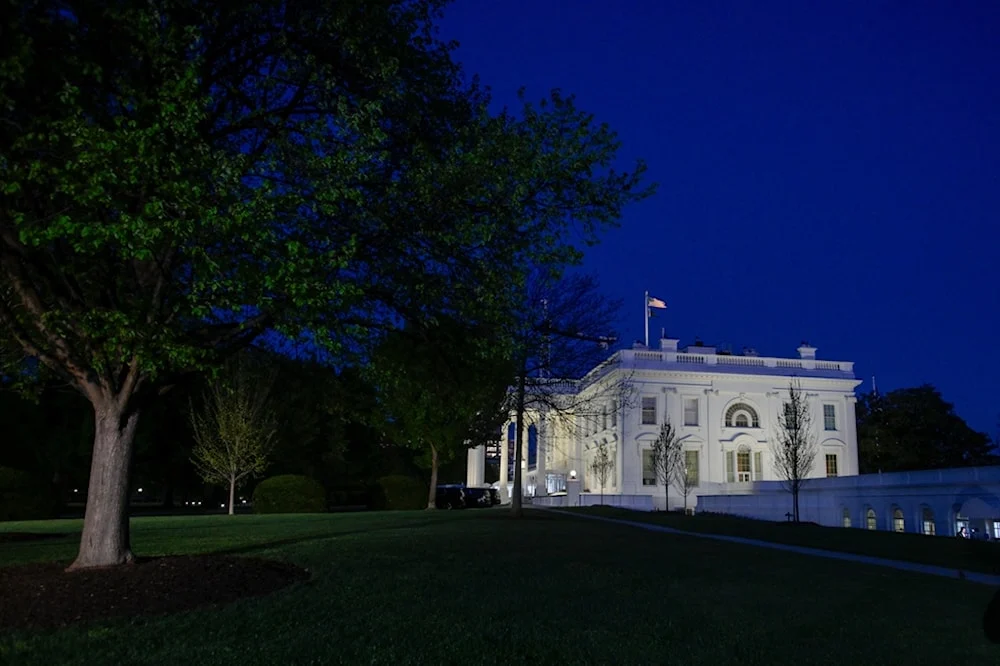
While the White House may argue that pressure tactics yielded results, the ceasefire reflects a shift toward negotiation following Iran’s demonstrated capacity to respond militarily and economically.
For now, the agreement represents a temporary halt rather than a resolution, with the coming talks expected to determine whether the aggression against Iran will fully cease or slip back into a cycle of escalation.
Source:Websites