Ansarollah Website – Reports
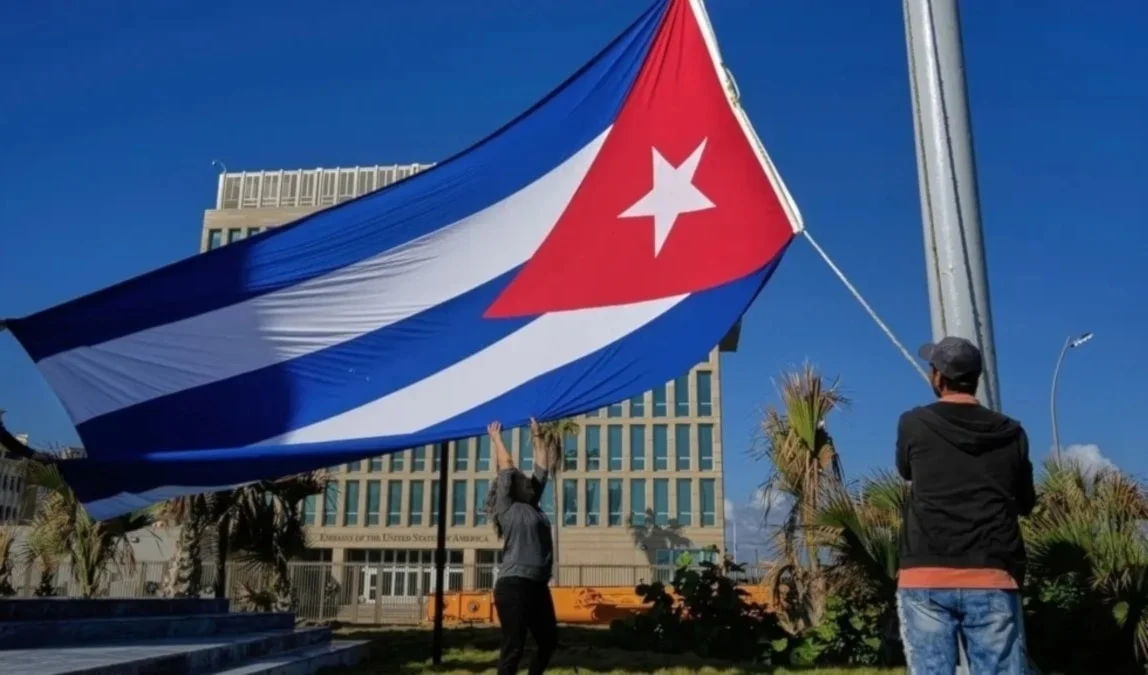
Cuba's national electricity company announced on Sunday the full restoration of power across the country following a new blackout—the second in less than a week. The island continues to grapple with a persistent energy crisis, which authorities attribute to the U.S. oil embargo imposed on the nation.
The national utility company reported via the "X" platform (formerly Twitter): "As of 6:30 AM today, the national electricity grid has been successfully reconnected throughout the entire country."
The announcement followed intensive, round-the-clock efforts spanning over 24 hours to reboot the system. While severe fuel shortages initially slowed down the process, engineers managed to accelerate power restoration overnight from Saturday to Sunday. Consequently, electricity was restored to more than 65% of households in the capital, Havana, which is home to 1.7 million residents.
This widespread blackout marks the fourth of its kind in less than six months and the ninth since late 2024. The grid collapsed on Friday afternoon due to a technical failure, occurring just two days after authorities had resolved another total blackout that struck the island last Monday.
Commenting on the crisis, Cuban President Miguel Díaz-Canel described the situation as "extremely complex due to the U.S. oil blockade" in place since last January.
The electricity company explained that fuel shortages not only leave the grid more vulnerable to technical glitches but also severely hinder restoration efforts. This is because the shortages prevent the operation of backup generators that rely on imported diesel. According to officials, Washington has allowed only a single Russian tanker carrying 100,000 tons of oil to reach the island since the beginning of the year.
To cope with the crisis, authorities have implemented a stringent power rationing system. Rolling blackouts sometimes last for more than 24 consecutive hours in parts of Havana, and exceed 70 hours in certain rural areas to conserve fuel reserves.
In an effort to mitigate the deficit, the government has injected substantial investments into the solar energy sector. However, despite its growth, solar power currently accounts for only 10% of the country's total energy mix.
The U.S. embargo, combined with a torrent of sanctions imposed on the Cuban state and foreign companies doing business with it, has plunged the country into a dire economic and humanitarian situation. This has led to acute shortages of food, drinking water, and medicines, prompting the United Nations to warn of an impending humanitarian emergency.