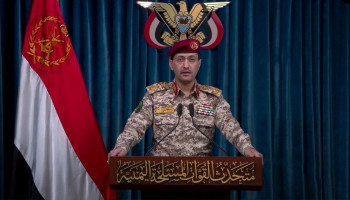

Al-Mahrah Governor Al-Qahtabi Al-Farji has warned of Saudi enemy plans to militarize the eastern Yemeni province and turn it into an open arena for settling scores and exhausting its manpower in pursuit of foreign interests.
In a statement to the Yemeni News Agency (Saba), Al-Farji urged tribal leaders, sheikhs, residents, and national groups to strengthen internal unity and reject Saudi efforts to undermine the province’s social fabric. He warned that temporary financial incentives were being used to lure young people into battles serving Saudi interests.
Al-Farji said the Saudi-led coalition’s activities in Al-Mahrah and the occupied southern and eastern provinces were part of an external plan aimed at undermining Yemen’s national decision-making, sovereignty, and control over its territory and resources.
He stressed that Sana’a does not target residents of the southern and eastern provinces, but is confronting Saudi domination and tutelage, which poses a threat to Yemenis across the country.
The governor praised Yemeni Armed Forces operations against Saudi enemy troop concentrations and positions, affirming that they had disrupted hostile moves against Yemen. He said the operations seek to secure Yemen’s rights and end a 12-year Saudi blockade, rather than target residents of the occupied provinces.
Al-Farji confirmed that Saudi Arabia is violating Yemen’s sovereignty through the militarization of Al-Mahrah and the exploitation of its border crossings and resources. He warned young people against false financial incentives, stressing that they were intended to exploit their economic hardships and recruit them into battles unrelated to their interests.
Al-Mahrah occupies a strategically important position on Yemen’s eastern frontier, overlooking the Arabian Sea and bordering both Saudi Arabia and Oman. Its location, coastline, border crossings, and access to Yemen’s natural resources have made the province a focal point of regional competition.
Saudi Arabia is seeking to establish a long-term military and security foothold in Al-Mahrah, expand control over strategic infrastructure and border crossings, and reshape local power structures through recruitment and financial incentives. Yemeni officials have warned that such measures could deepen social divisions and draw local communities into conflicts serving external interests.