Published: 22 Ramadan 1447 AH
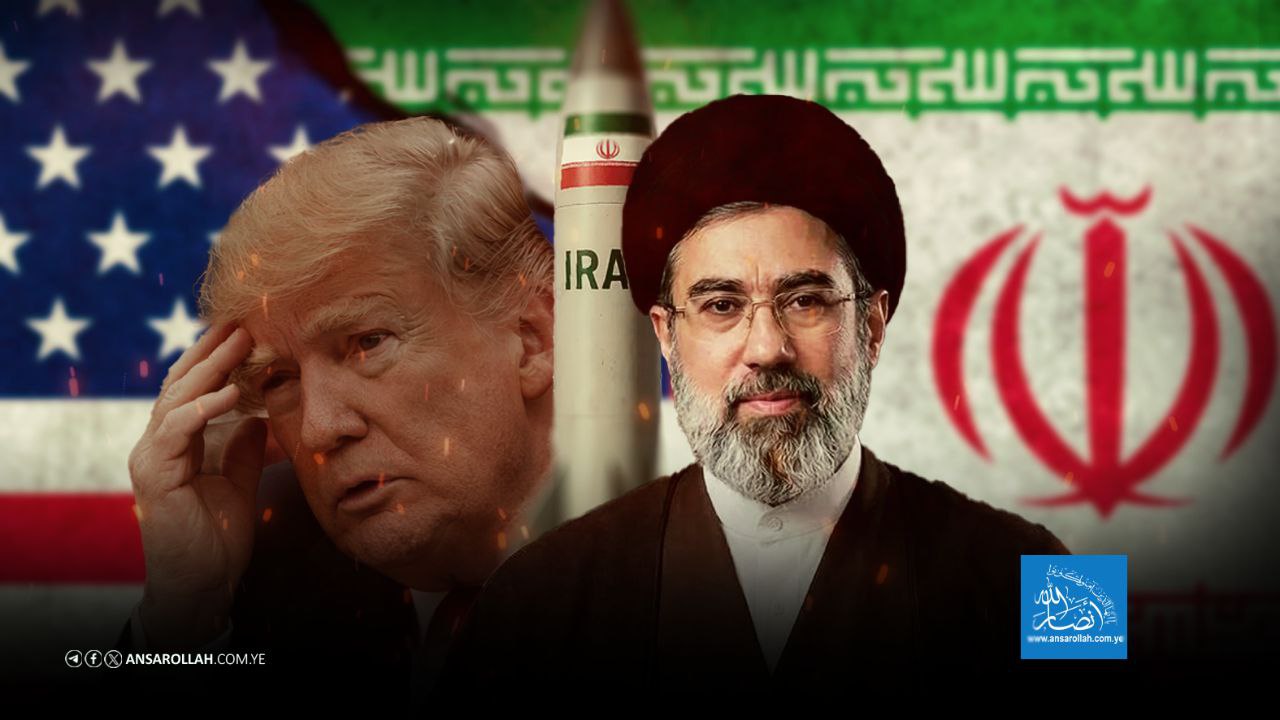
The swift announcement of the selection of Sayyid Mojtaba Khamenei as the new Supreme Leader of the Islamic Republic reflects the Iranian political system’s ability to manage sensitive transitional moments without disruption or a leadership vacuum. Observers interpret this development as an indication of broad alignment within Iranian society around state institutions and their strategic choices, at a time when the region is witnessing escalating tensions and complex challenges due to the American and Zionist aggression against Iran.
Despite the sensitive and unprecedented circumstances facing Iran, the speed with which this matter was resolved—along with the accompanying public and political engagement—demonstrates a level of institutional stability and internal cohesion. This, in turn, strengthens Iran’s capacity to continue addressing current challenges with resilience and determination.
According to political and media activists, internal cohesion represents one of the most significant sources of strength relied upon by the Islamic Republic in confronting political and military pressures. It also grants Tehran greater flexibility to maintain its position and influence within the international balance of power in the region.
Observers note that the rapid resolution of the leadership issue reflects the ability of Iran’s state institutions to manage major transitional moments without falling into political vacuum or confusion at the center of decision-making. This takes on particular importance amid ongoing confrontation and the escalation of Iranian deterrence operations against the Israeli entity and American bases in the region.
The development is widely viewed as an indication of the continuation of the Islamic Republic’s political and strategic approach, particularly regarding its positions on regional issues and its support for resistance movements.
Within this context, Yemeni political, media, and academic figures have offered various analyses of the significance of the event. They emphasize that the selection of the new leadership reflects a high level of political and popular cohesion within Iran and sends multiple messages both domestically and internationally about the Iranian state’s ability to continue managing regional conflict despite current challenges.
Political Messages in the Face of Pressure
Mohammed Al-Farrah, a member of the Political Bureau of Ansar Allah, described the selection of Sayyed Mojtaba Khamenei as an important milestone in the course of the Islamic Revolution. He said the move reflects the continuation of the path on which the Islamic Republic has been built since its founding.
In remarks to the Ansar Allah website, Al-Farrah explained that the new leadership represents an extension of the political and ideological line focused on confronting hegemonic projects in the region and supporting the causes of the Islamic nation, foremost among them the Palestinian issue.
He added that the current stage requires strengthening internal cohesion and continuing support for resistance forces in the region, noting that the transformations currently unfolding reflect the nature of the conflict between external hegemonic projects and the forces seeking to preserve the independence of their political decision-making.

Member of the Political Bureau of Ansar Allah, Dr. Hizam al-Assad stated that the selection of Iran’s new leadership sends a clear message to those who had been betting on destabilizing the internal situation in the Islamic Republic.
In exclusive remarks to the Ansar Allah website, he explained that the speed of the leadership transition demonstrates a high level of political and institutional cohesion and confirms the Iranian people’s commitment to the principles upon which the Islamic Revolution was founded, as well as their determination to continue along the same path despite ongoing challenges.
He added that the importance of selecting a leader lies in its role in thwarting Zionist and American conspiracies aimed at creating a political vacuum that would pave the way for the collapse of the system. The rapid selection of the leader—occurring simultaneously with military operations targeting American and Zionist forces—demonstrates the system’s capacity to overcome pressure. According to Al-Assad, this development also sends political messages to regional and international actors regarding the nature of the next phase within the framework of existing regional balances.

Regional Conflict Balances
In the media and political sphere, Nasr al-Din Amer, Chairman of the Board of the Yemeni News Agency Saba, stated that the selection of Mojtaba Khamenei comes at a pivotal moment for the region. He said the development reflects the Iranian state’s ability to manage sensitive transitional moments while maintaining stability at the center of political decision-making.
In exclusive comments to the Ansar Allah website, Amer pointed to the popular scene that accompanied the announcement of the new leadership as evidence of a high level of cohesion and awareness within Iranian society. In his view, this strengthens the Islamic Republic’s capacity to continue managing the conflict despite the current regional challenges.

Meanwhile, Jalal Al-Sulul, Director of the Union of Islamic Radio and Television in Yemen, said the development represents a clear political message that the military and political pressures facing Iran will not weaken state institutions or disrupt the leadership structure.
He added, in remarks to the Ansar Allah website, that “the selection of the new leadership also reflects the continuation of the Islamic Republic’s political approach in confronting the challenges facing the region.”

While media and political analyses highlight the event’s regional dimensions, the leadership transition in Iran is widely viewed as an indicator of the state’s ability to preserve internal stability while maintaining its presence and influence in political and security issues related to the region.
From an academic perspective, Dr. Abdulmalik Issa, Dean of the Faculty of Arts and Humanities at Sana’a University, said the rapid leadership transition in Iran demonstrates the strength of the institutional structure of its political system.
In exclusive remarks to the Ansar Allah website, he explained that targeting top leaders in countries is often intended to create a political vacuum or confusion in the decision-making system. However, what occurred in Iran reflects the ability of state institutions to manage the transition smoothly.

He added that this step confirms the continuation of the Islamic Republic’s strategic policies on regional and international issues.
Broader Implications
Overall, the various political, media, and academic readings of this development reflect a growing recognition of the significance of the announcement of a new Supreme Leader for the Islamic Republic of Iran and its potential impact on the regional landscape.
For many observers, the issue goes beyond merely selecting a new leader. It is closely tied to the political system’s ability in the Islamic Republic to preserve its cohesion and continuity within a complex regional environment marked by rising tensions and conflicts.
The swift resolution of the leadership question demonstrates a level of institutional stability within the Iranian state, which may help reduce the likelihood of a political vacuum at a moment characterized by great sensitivity on both domestic and international fronts.
At the same time, observers believe that the continuation of the Islamic Republic’s political and strategic approach will remain an influential factor in shaping the dynamics of conflict and balance of power in the region.
As regional and international reactions to this development continue to unfold, the appointment of Sayyed Mojtaba as Iran’s Supreme Leader stands as a significant indicator of the nature of the coming phase and how Tehran may deal with political and security challenges in its regional environment, amid the ongoing struggle for influence and power in one of the world’s most sensitive regions.