Ansarollah Website | Report by: Yahya Al-Shami
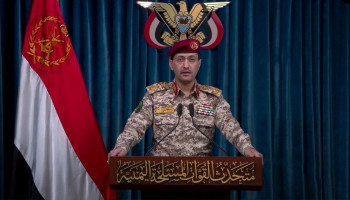
For observers of the Yemeni situation, the turnout on the most recent Friday was exceptionally massive, unprecedented in its context, and entirely justified in its demands. It was clear that major military steps would be undertaken by the Yemeni Armed Forces, effectively transferring the file from the negotiators' table to the fighters' hands after years of waiting and Saudi procrastination. Today—following the Statement of the 6th of Safar—it is time for the Saudi leadership to face the consequences of outsmarting tactics and disregarding the basic and humanitarian rights of Yemenis. These are fundamental living rights that should never have been negotiated or converted into political leverage, as Saudi Arabia has done under significant American and Zionist influence.
What Comes After the Yemeni Armed Forces’ Statement?
The most prominent development following the Yemeni statement is not merely its success in breaking the state of stalemate relied upon by the Saudi enemy; its effects were immediate from the moment of its announcement and entry into force. However, Western media outlets had already monitored indicators prior to the release of the decision itself.
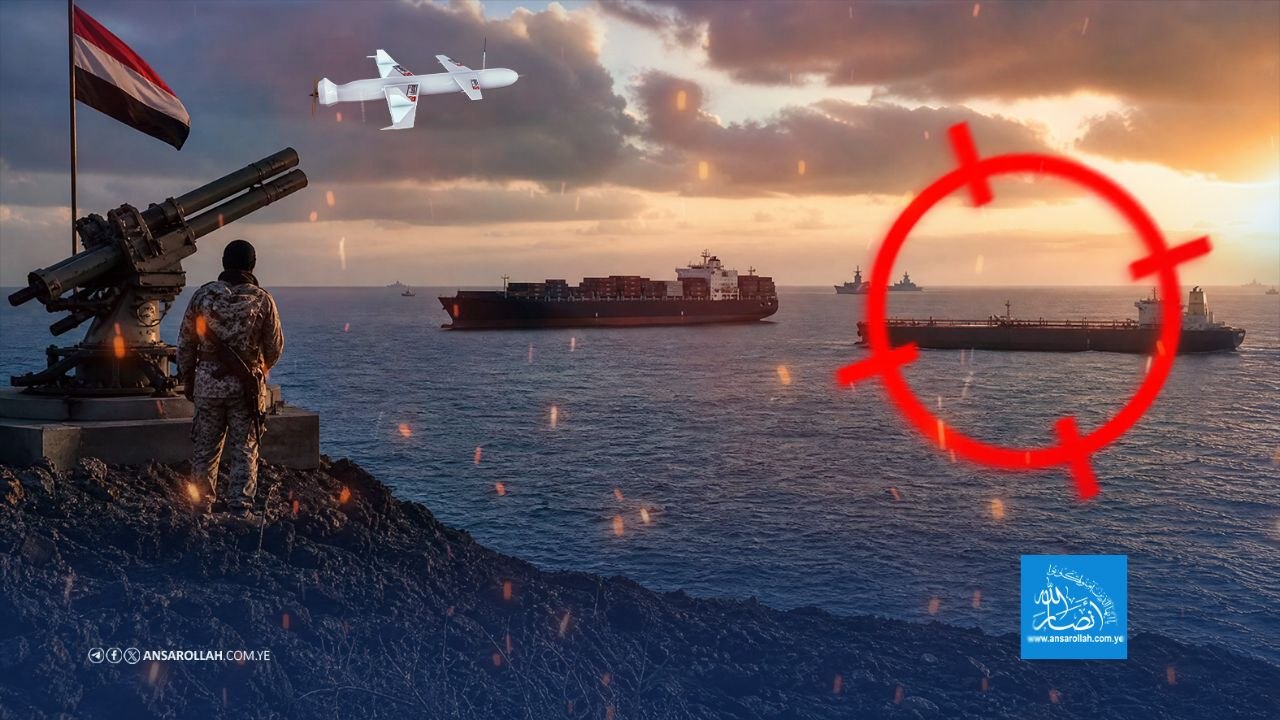
On Monday, insurance risk premiums for cargo shipping through the Red Sea surged sharply, reaching approximately 0.75% of a vessel's value, up from 0.3% last Friday. This followed hours after the Armed Forces announced an immediate maritime blockade on Saudi Arabia. This escalation adds hundreds of thousands of dollars to the cost of a single seven-day voyage. Rather than representing a mere shock to the maritime insurance market, it lays the groundwork for a strategic shift in the regional landscape—one capable of ending the Yemeni grievance and lifting the blockade. Furthermore, it marks a decisive turning point, shifting the conflict from "de-escalation" measures to the "root cause": ending Saudi guardianship over Yemen.
Why Is the Yemeni File Difficult for Saudi Arabia to Handle?
The core complexity that reduced the Muscat negotiations to a mere memory lies in the disagreement over the characterization of the conflict itself. While Riyadh insists on presenting itself as a "mediator and sponsor of dialogue" between Sana'a and Aden, political and military realities confirm that Riyadh is a direct party to the war. Since the first airstrike in March 2015, Saudi Arabia has led military operations, imposed a strict naval and air blockade, and maintained political control through its guardianship over the so-called "Presidential Leadership Council" hosted in its hotels. It has sponsored, facilitated, and funded all forms of warfare and escalation against Yemenis. According to international law and various international humanitarian reports—as well as admissions by the Kingdom itself—Riyadh bears responsibility for hundreds of massacres resulting from the American-Saudi aggression against Yemen over eight years, alongside the blockade that continues to this day.
This stark contradiction between the Saudi narrative and field realities is no longer acceptable in Sana'a's calculations. While Riyadh approaches peace requirements—such as lifting the blockade on airports and ports, paying civil servant salaries from oil revenues, and addressing the humanitarian situation—as "royal grants" subject to review by the Royal Court, Yemenis insist they are "mandatory obligations on a party that waged war." Here lies the dilemma of an actor seeking to retain the fruits of war and influence within Yemen while completely disavowing the bill for the humanitarian catastrophe it caused.
"Blockade for Blockade": A New Logic for a Different Phase
The announcement of the maritime blockade on Saudi Arabia represents the culmination of an escalatory path adopting a fundamentally different logic from the "de-escalation" phase that lasted from 2022 to 2026. During those years, Riyadh utilized negotiations to absorb pressure and gain time, freezing the implementation of the roadmap it agreed to following the April 2023 truce, gambling that renewed U.S.-Iranian confrontation and the preceding Al-Aqsa Flood war might shift the balance of power in its favor and relieve it of its commitments.
However, Sana'a's message appeared far more explicit regarding Yemeni rights: unilateral calm is no longer an option. Even a partial lifting of air restrictions on Sana'a Airport will not suffice to halt the "blockade for blockade" equation. The issue is no longer a diplomatic impasse over limited arrangements, but an existential conflict centered on ending Saudi "guardianship"—an influence that permeates every aspect of Yemeni life, from control over resources, islands, and ports, to the formation of parallel military forces outside the framework of the Ministry of Defense under Al-Alimi.
Yemeni or Iranian Demands? Refuting the Counter-Narrative:
In response to this escalation, media outlets aligned with Riyadh have rushed to frame legitimate Yemeni demands as an "Iranian agenda." Muhammad Al-Farah, a member of Ansarollah's Political Council, refutes this narrative by raising the following questions: Is lifting the blockade, ending the aggression, and opening airports and ports a Yemeni or an Iranian demand? Is releasing prisoners, revealing the fate of the missing, and compensating affected parties a Yemeni or an Iranian demand? Is paying Yemeni employees' salaries from stolen oil and gas revenues, restoring national wealth, and ending the presence of foreign forces on Yemeni soil an unreasonable demand, or a natural right for any nation seeking independence?
Attempting to attribute an regional character to these national rights represents a disregard for the suffering of the Yemeni people and exposes an underlying intention to turn Yemen into an arena for internal conflict aimed at consolidating Saudi hegemony, which operates within the realm of the Zionist project. However, the reality demonstrated over recent years—leading up to this moment—is that the Saudi regime, beyond being an American tool, has yet to comprehend the new reality in Yemen. For decades, it treated Yemen as a manageable file and never envisioned it as an equal; thus, practical steps were necessary to enforce this reality.
Risks Beyond Saudi Arabia's Capacity to Bear:
The British maritime security firm Ambrey warned that vessels flying the Saudi flag, owned by Saudi entities, or destined for its Red Sea ports face a heightened risk level, cautioning against potential targeting of ships linked to Saudi ports or companies. As observed during the 2024 maritime clashes, the mere threat is sufficient to disrupt navigation. A complete closure of Bab al-Mandab Strait—the vital southern gateway—would not only hinder Saudi oil exports to Asia but could also reduce global oil supplies by up to 7%, at a time when Aramco is increasingly relying on Yanbu port to bypass Gulf tensions.
Further ramifications of this new reality are evident in the Australian government's warning to its citizens against traveling to Abha International Airport following recent military strikes targeting Saudi facilities. Canberra's advisory advised avoiding military bases and energy infrastructure, and taking immediate shelter in the event of strikes. In the coming hours, the list of international companies and entities suspending or withdrawing operations from Saudi territory is expected to expand—a clear international acknowledgment that Saudi territory is no longer immune to the fallout of a war imposed on Yemen for years.
Thus, developments are unfolding according to the ramifications of the decisive Yemeni decision:
The new trajectory initiated by the Yemeni leadership addresses the root cause of the problem—guardianship—thereby raising the ceiling of confrontation from negotiating partial measures to establishing a "blockade for blockade" equation. This will continue until Riyadh realizes that the era of manipulating the Yemeni file has permanently ended: either full acknowledgment of responsibility and an end to intervention, or continued escalation that risks consuming the region's remaining fragile stability—all on the path toward Yemenis securing their fundamental, non-negotiable rights.